Living With The Dead
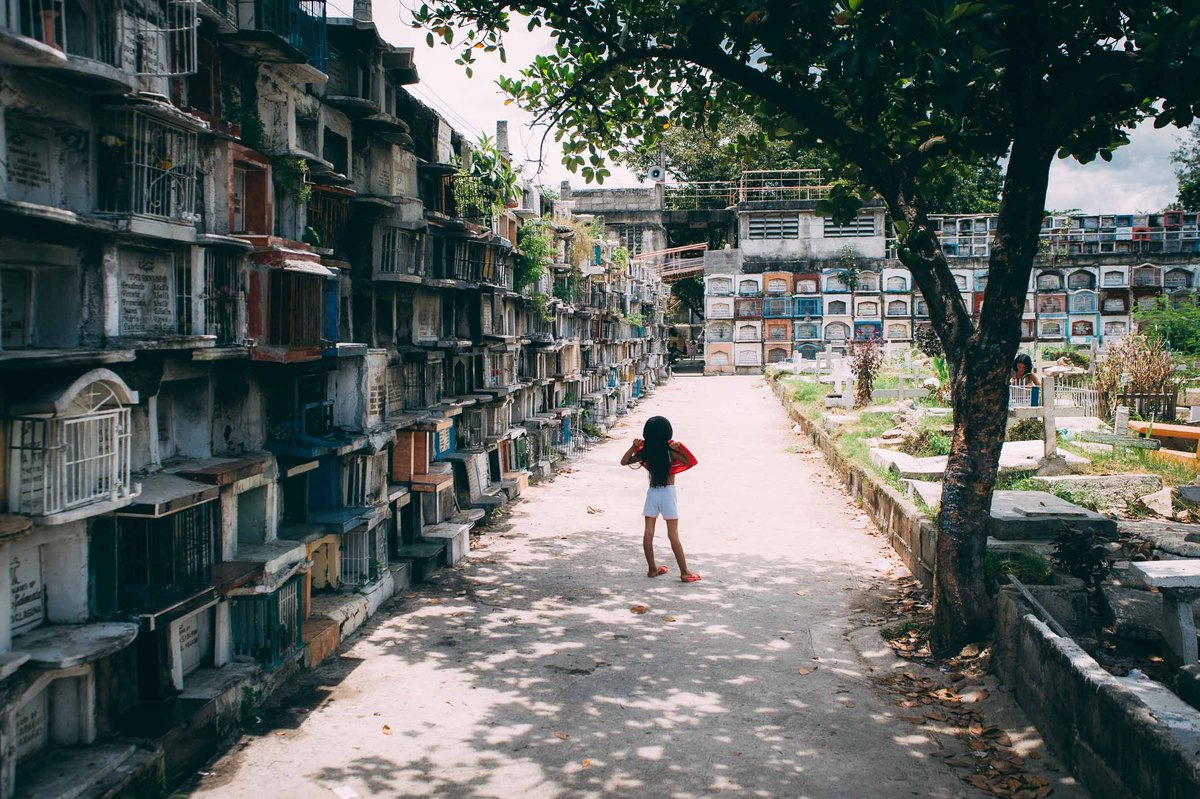
The City of Cebu, the Philippines' second most populous area after Metro Manila, is home to almost 900,000 people. Overcrowding, poverty and the destruction of slums have driven thousands of residents of Cebu into its cemeteries.
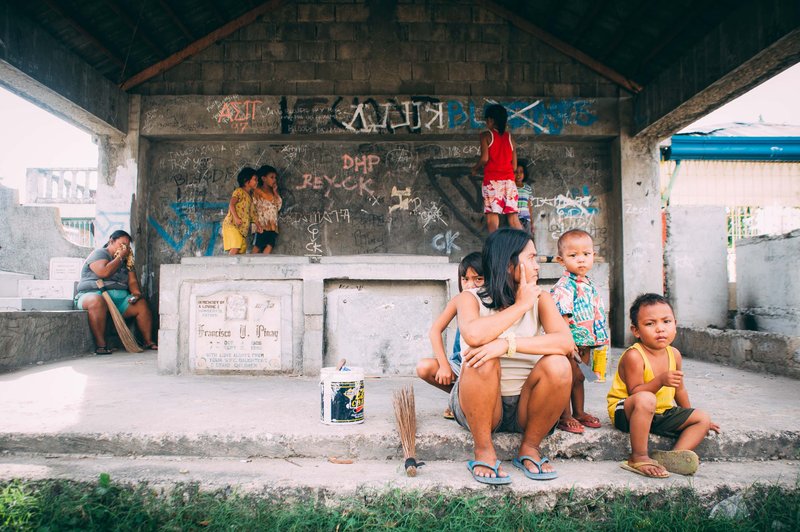
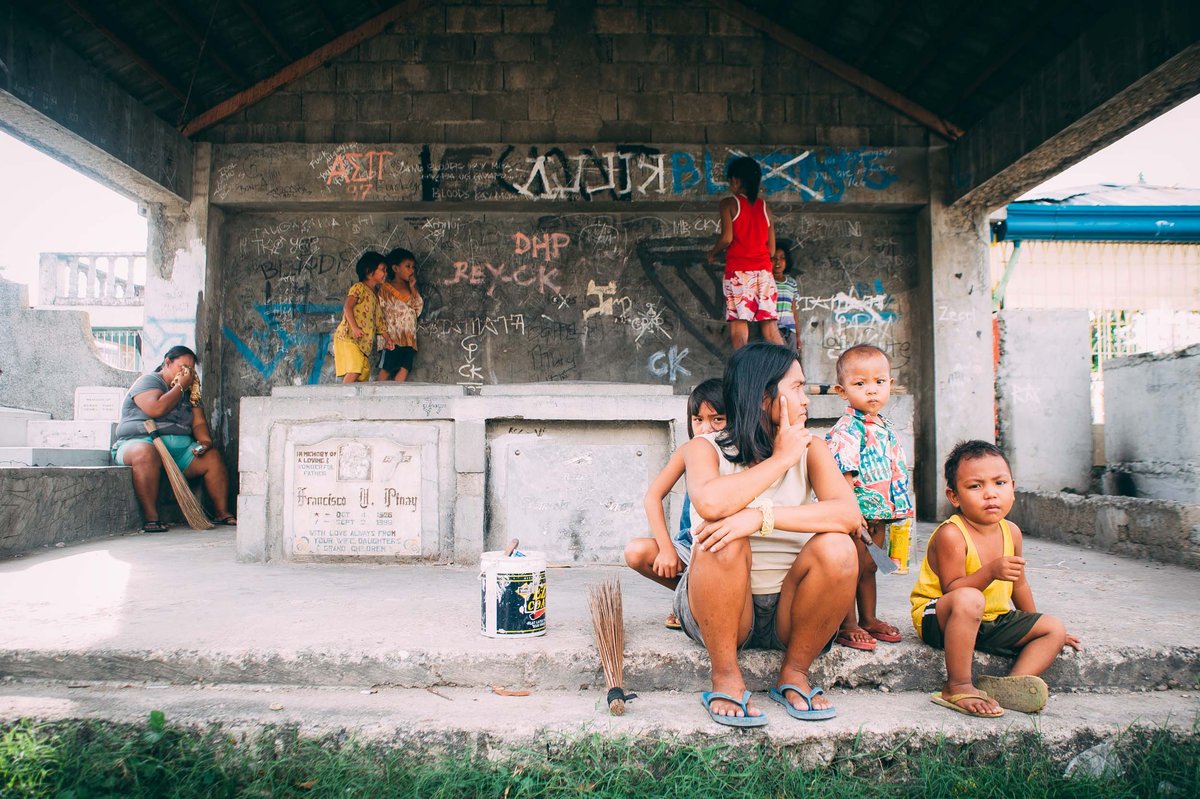
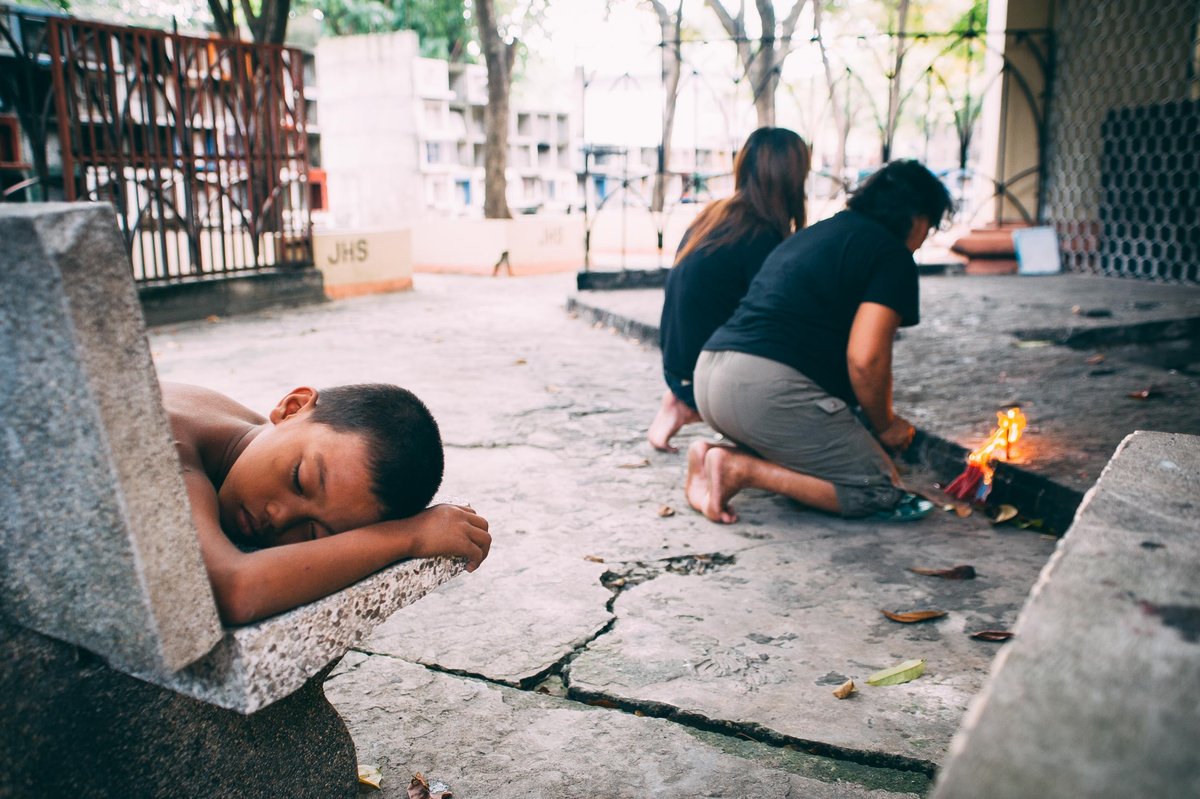
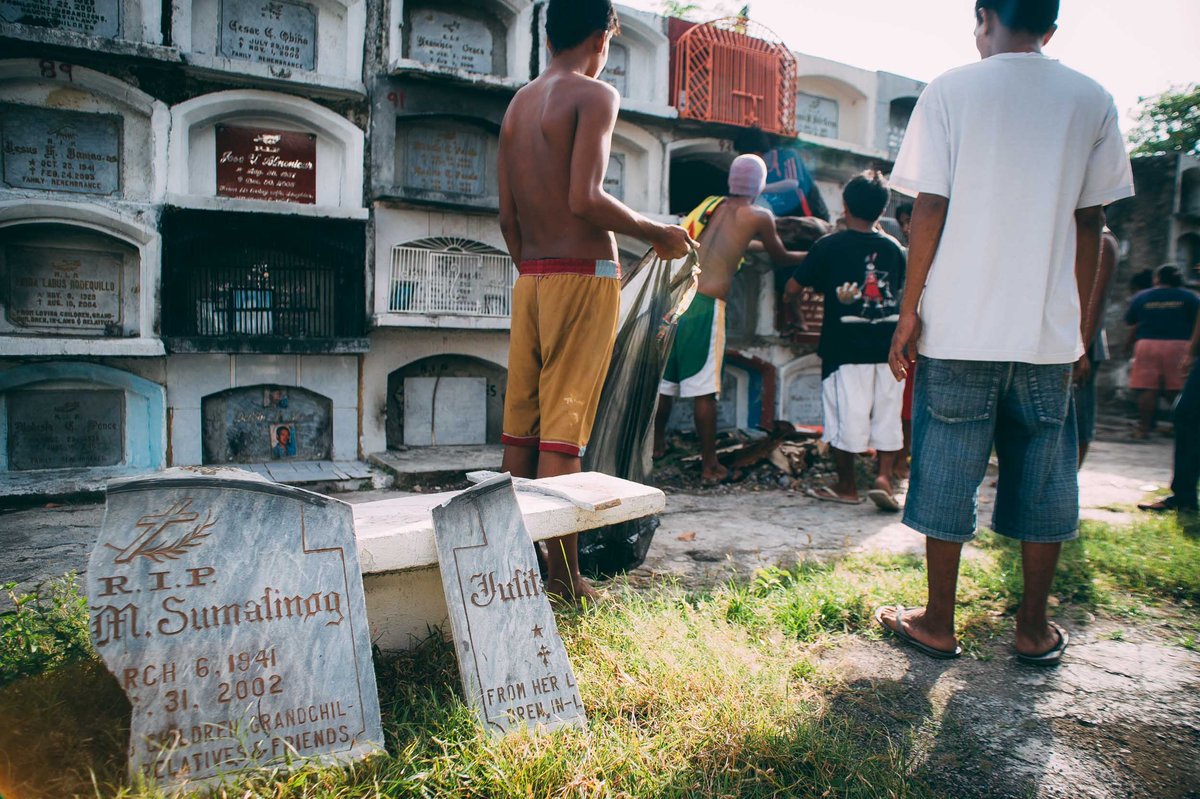
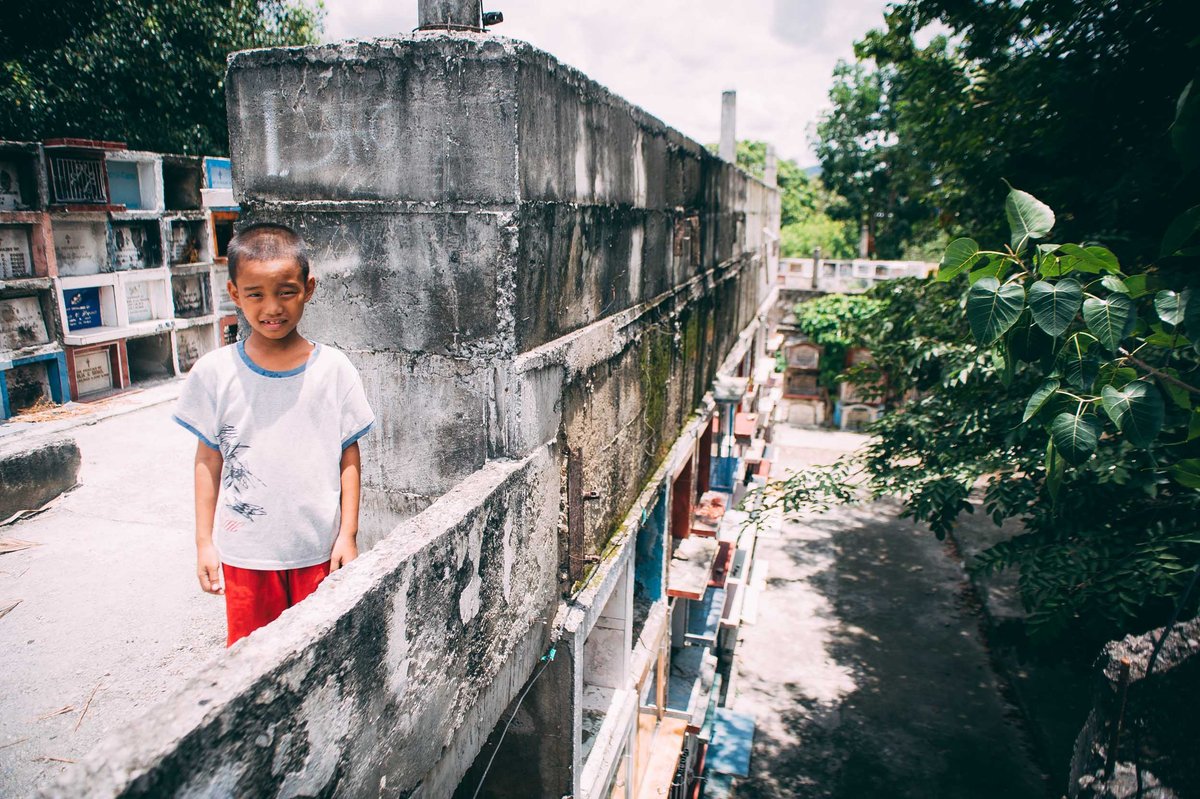
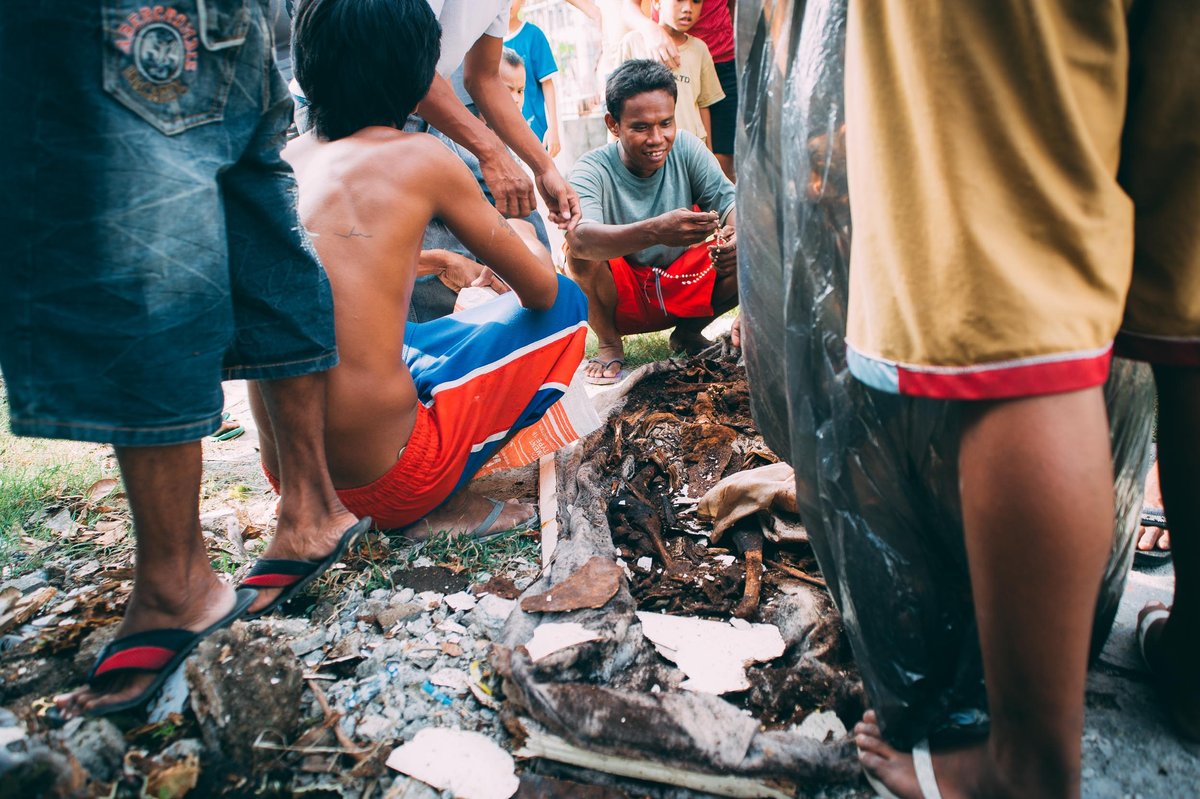
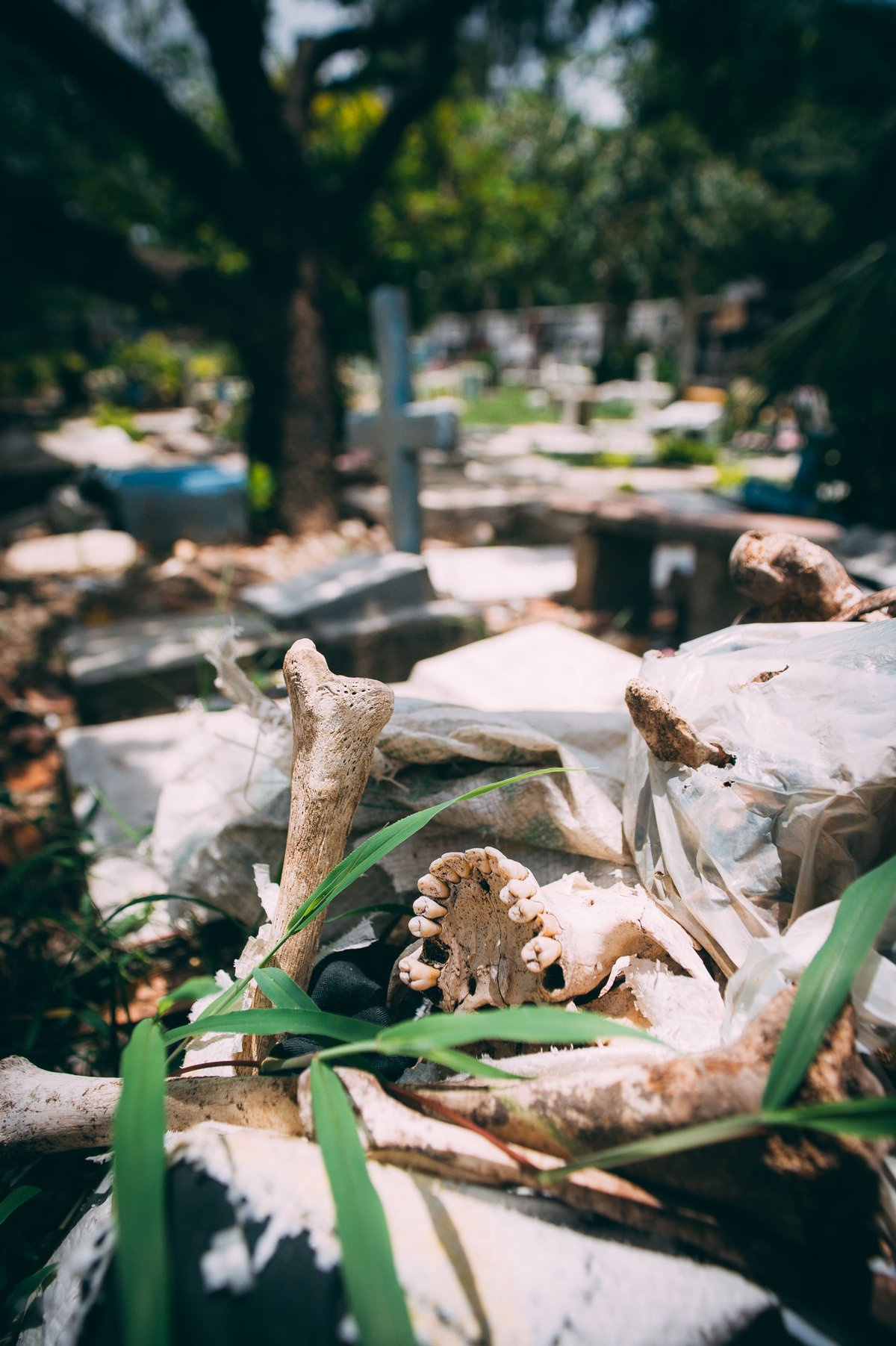
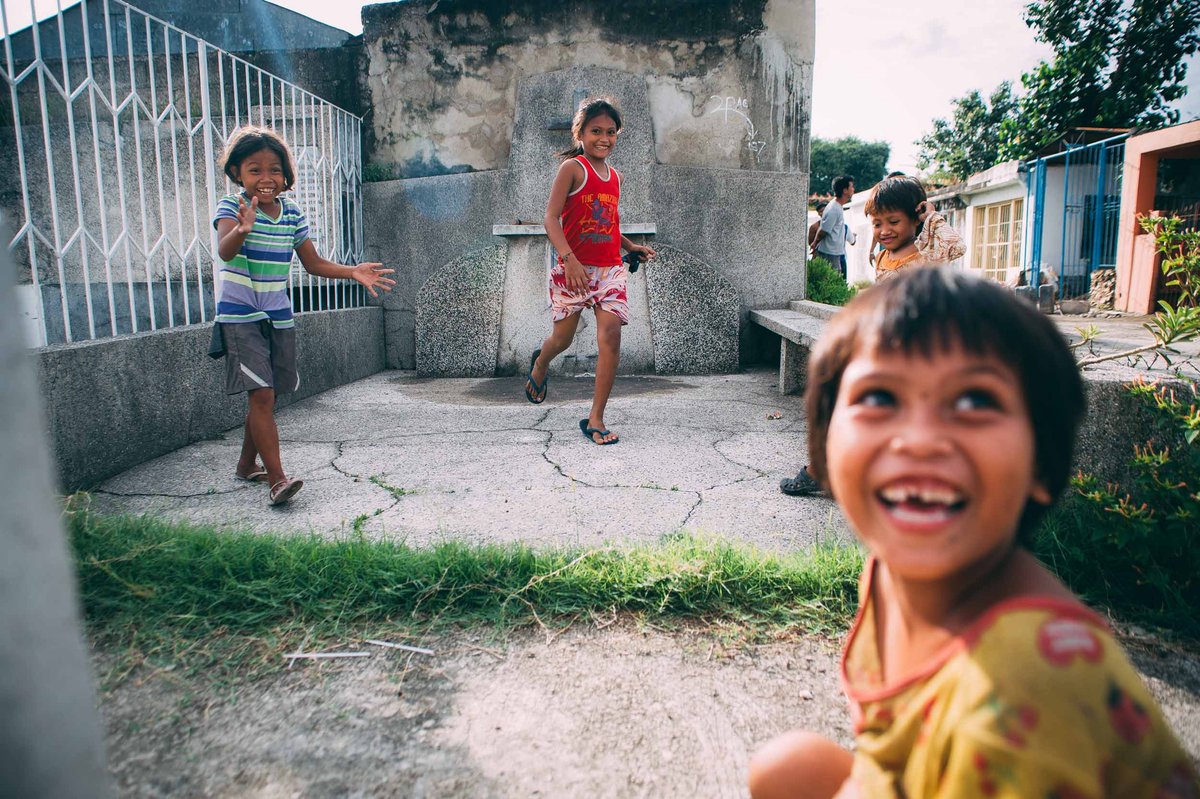
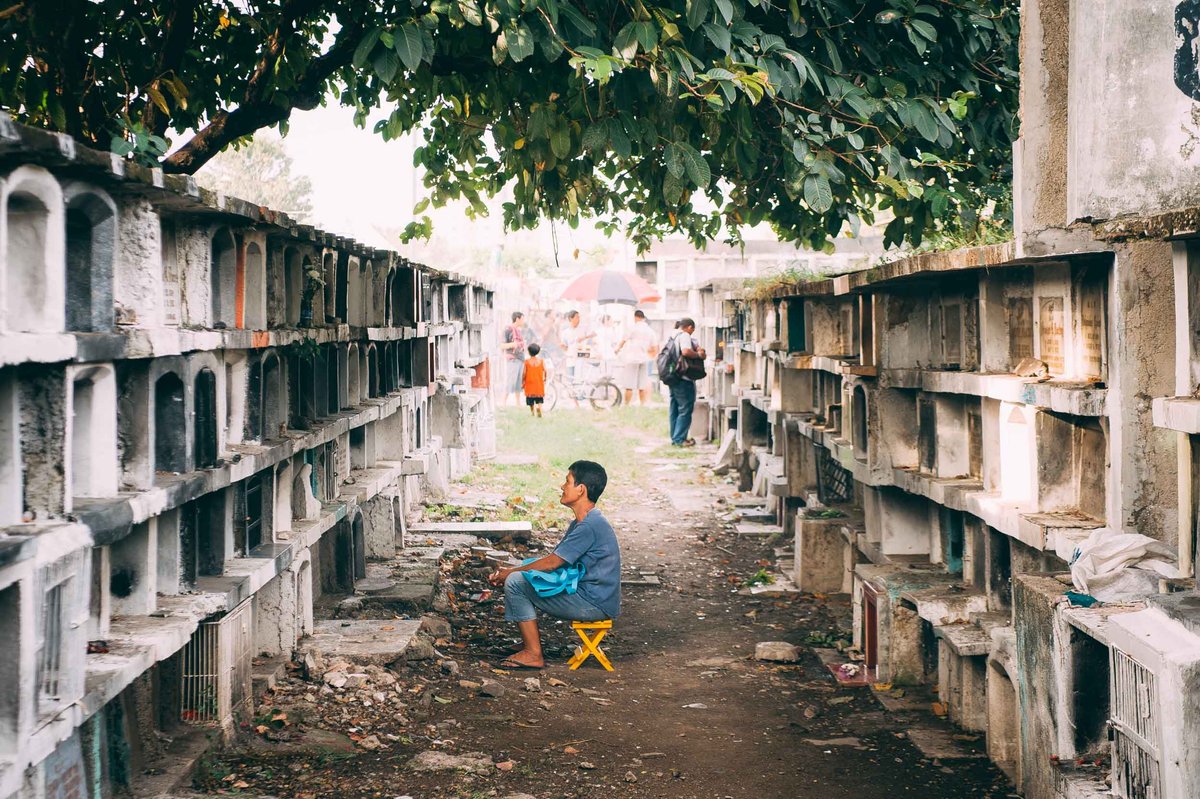
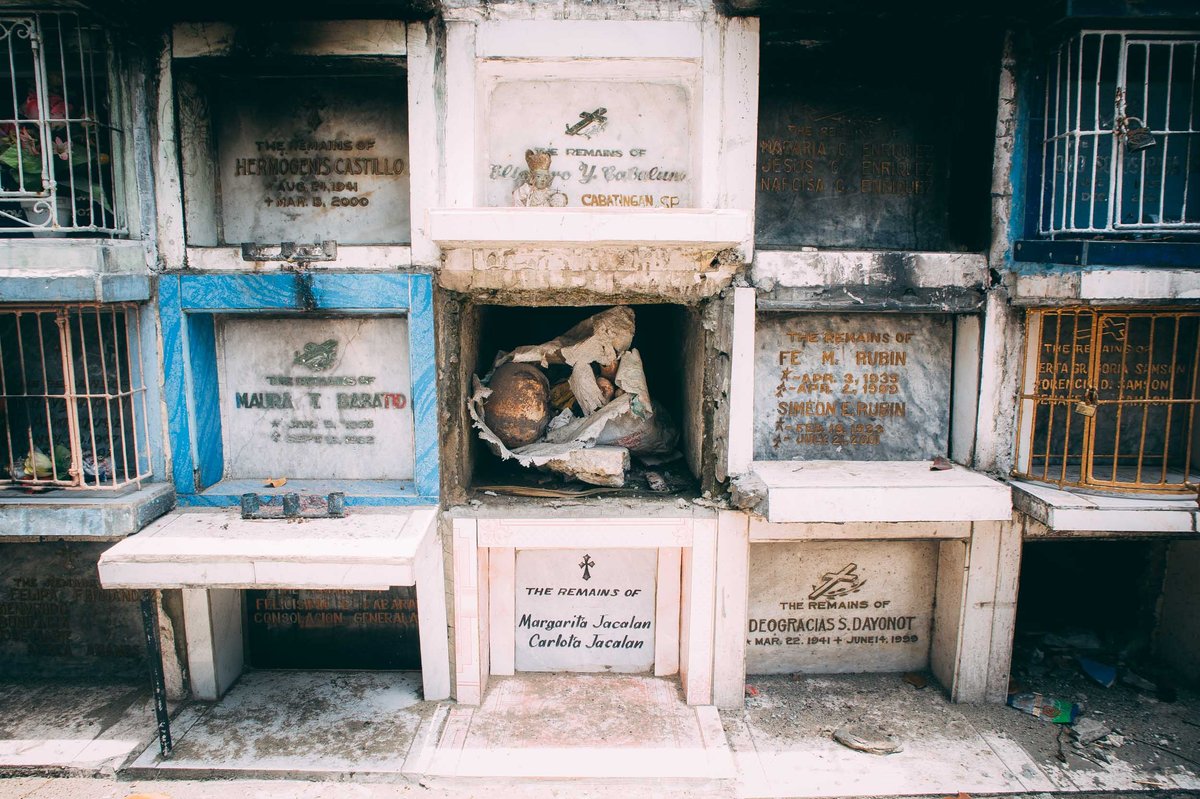
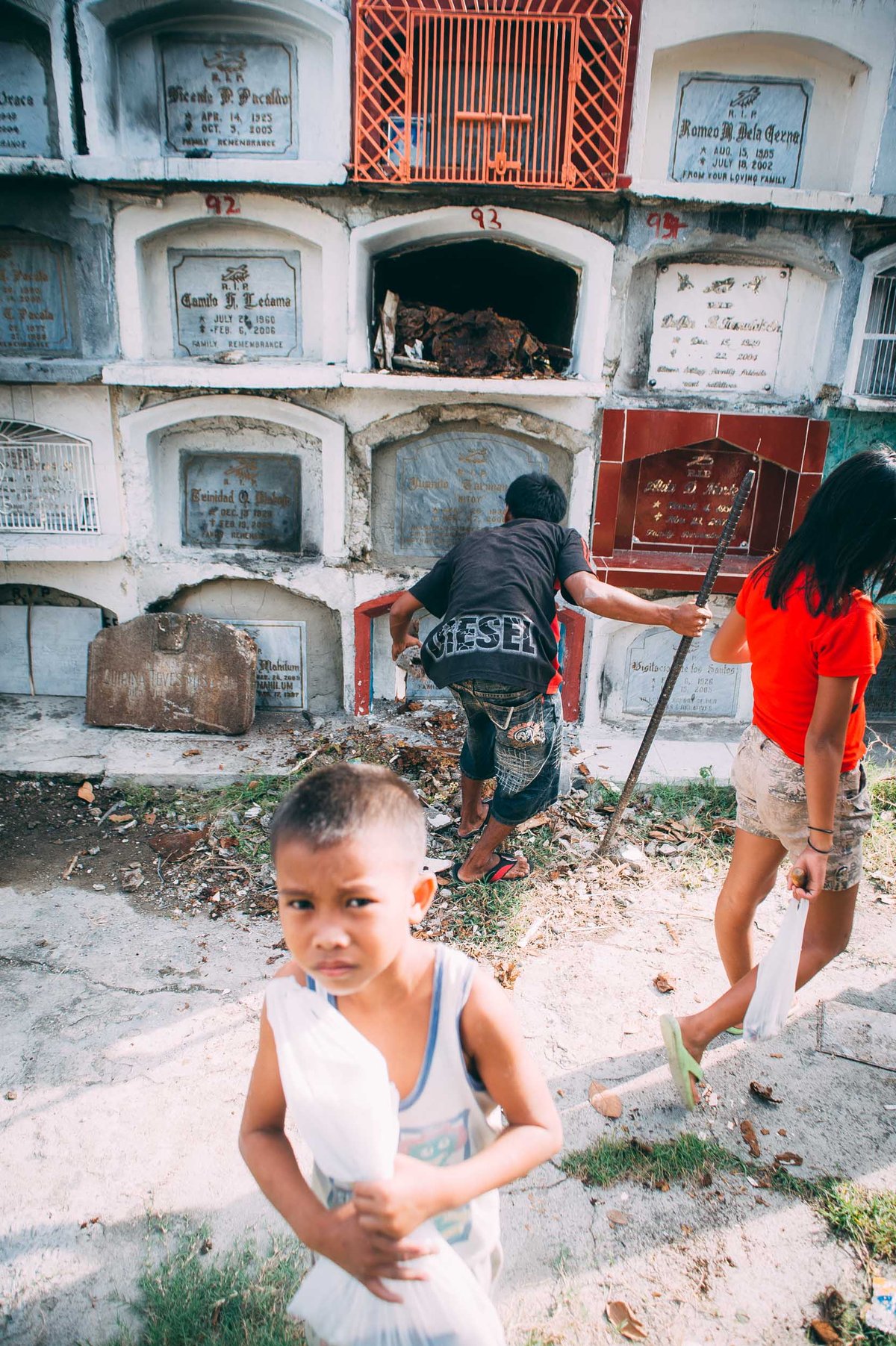
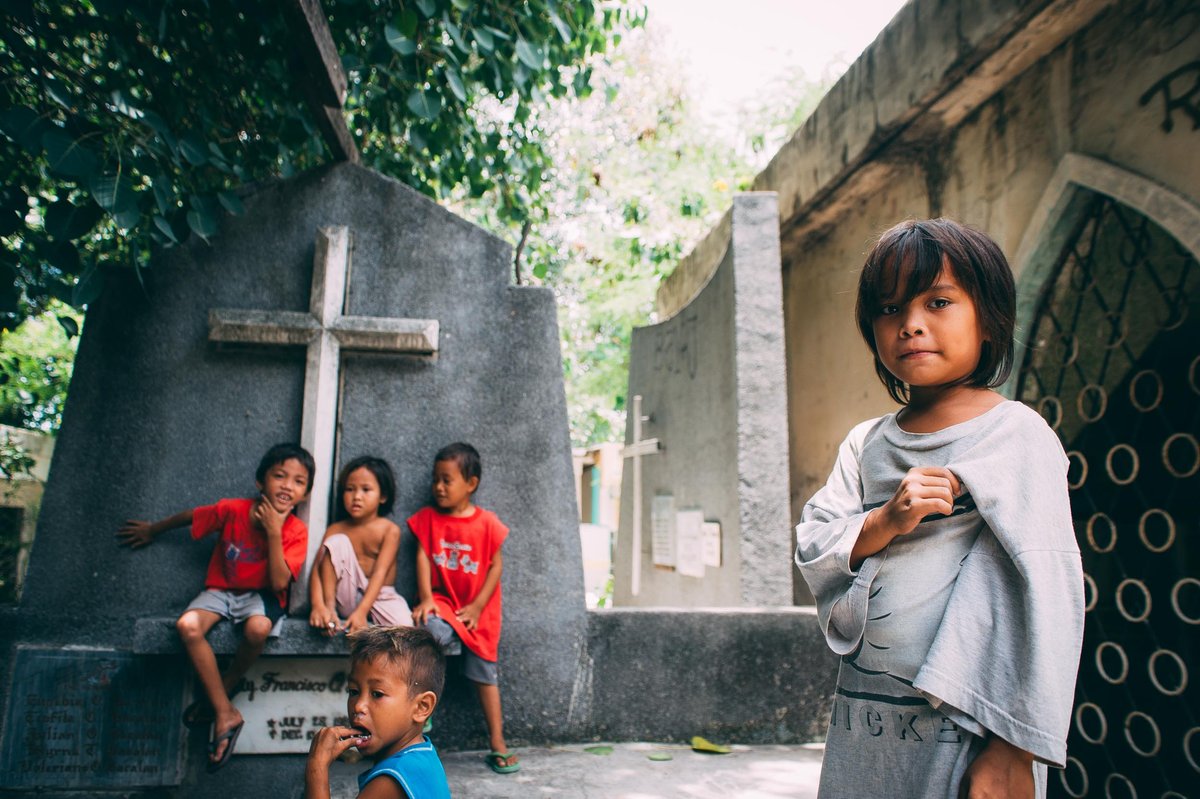
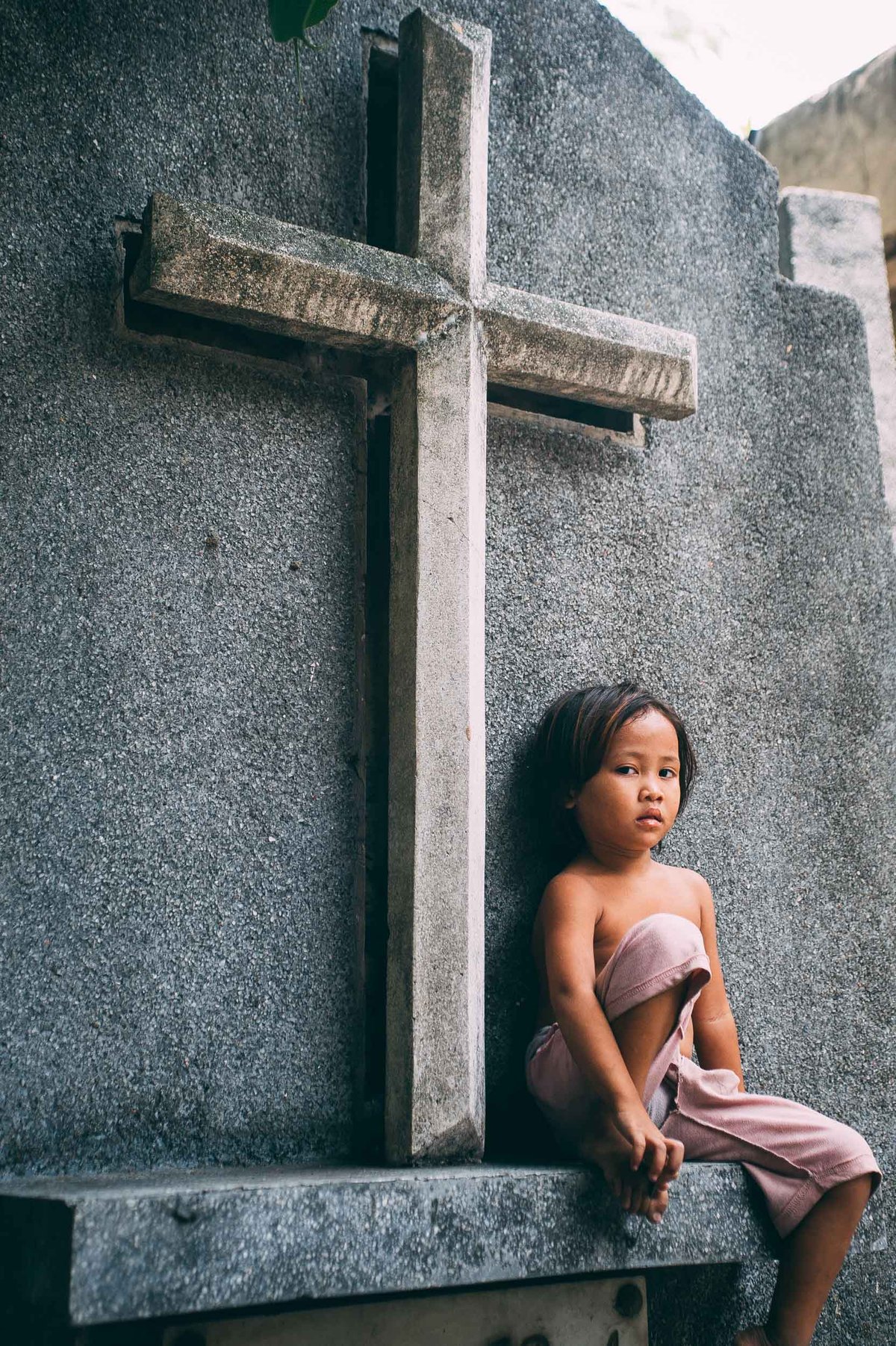
Within the walls of these sprawling burial grounds one can find large, bustling communities, filled with families occupying the vast concrete metropolis of tombs. They have carved out a life amongst the headstones and it is not uncommon to see food vendors selling their wares and children skipping between graves as mourners visit departed loved ones.
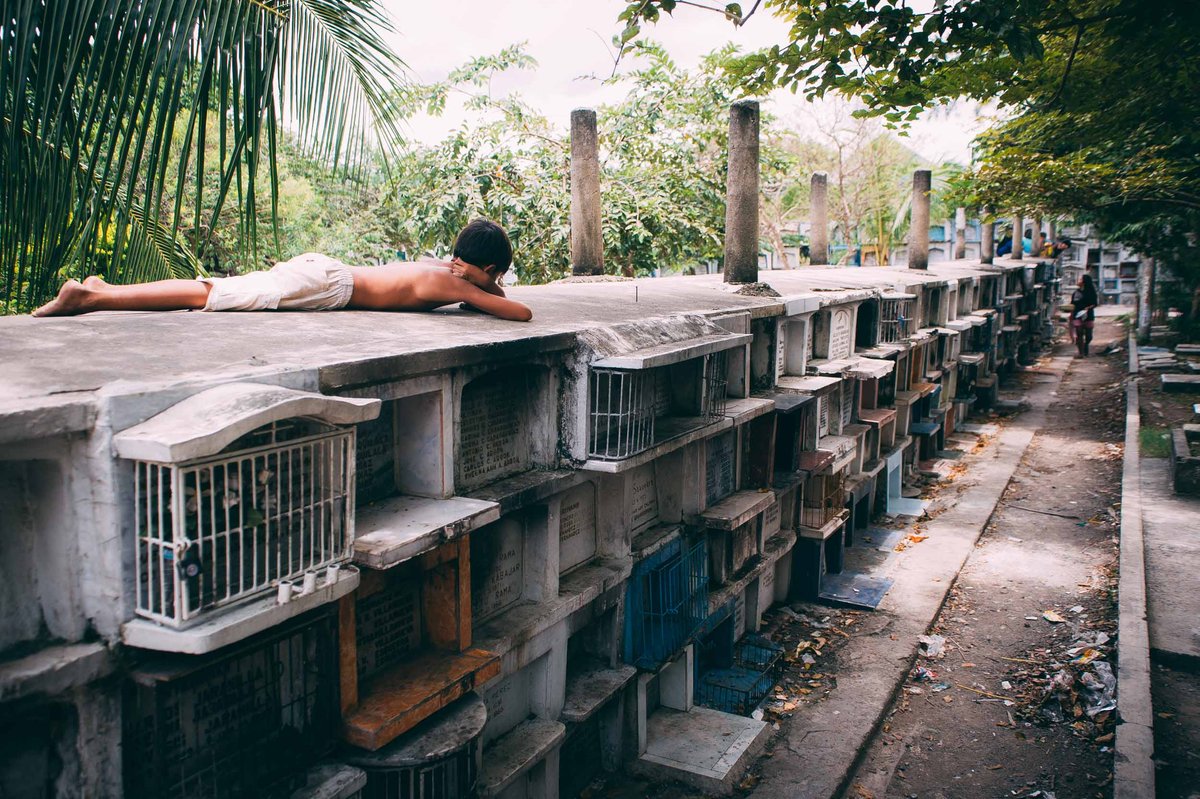
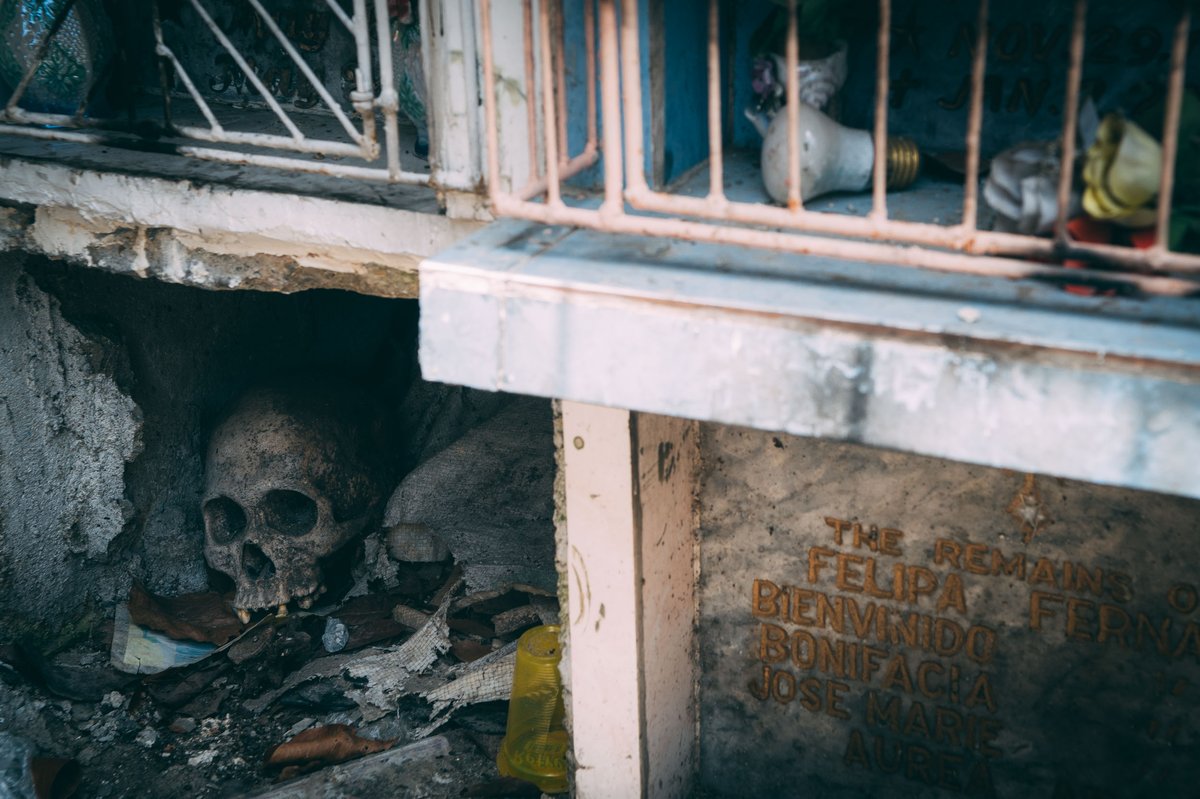
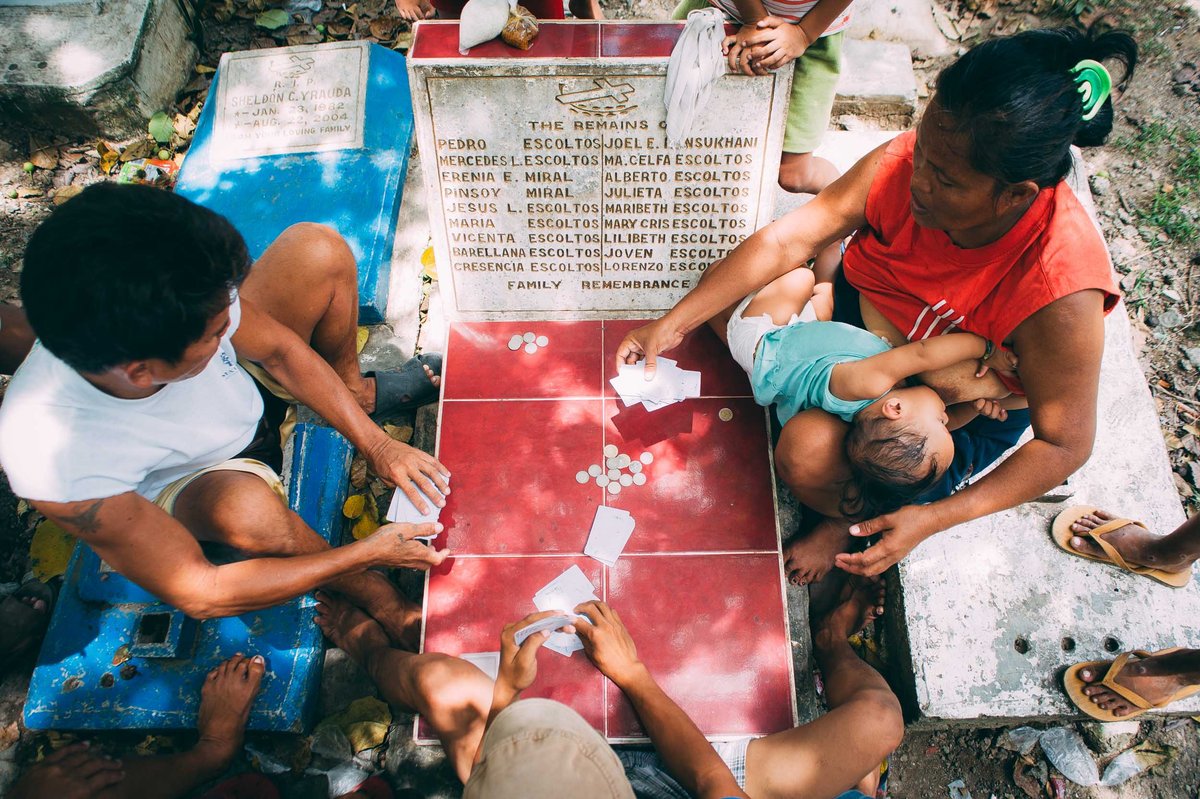
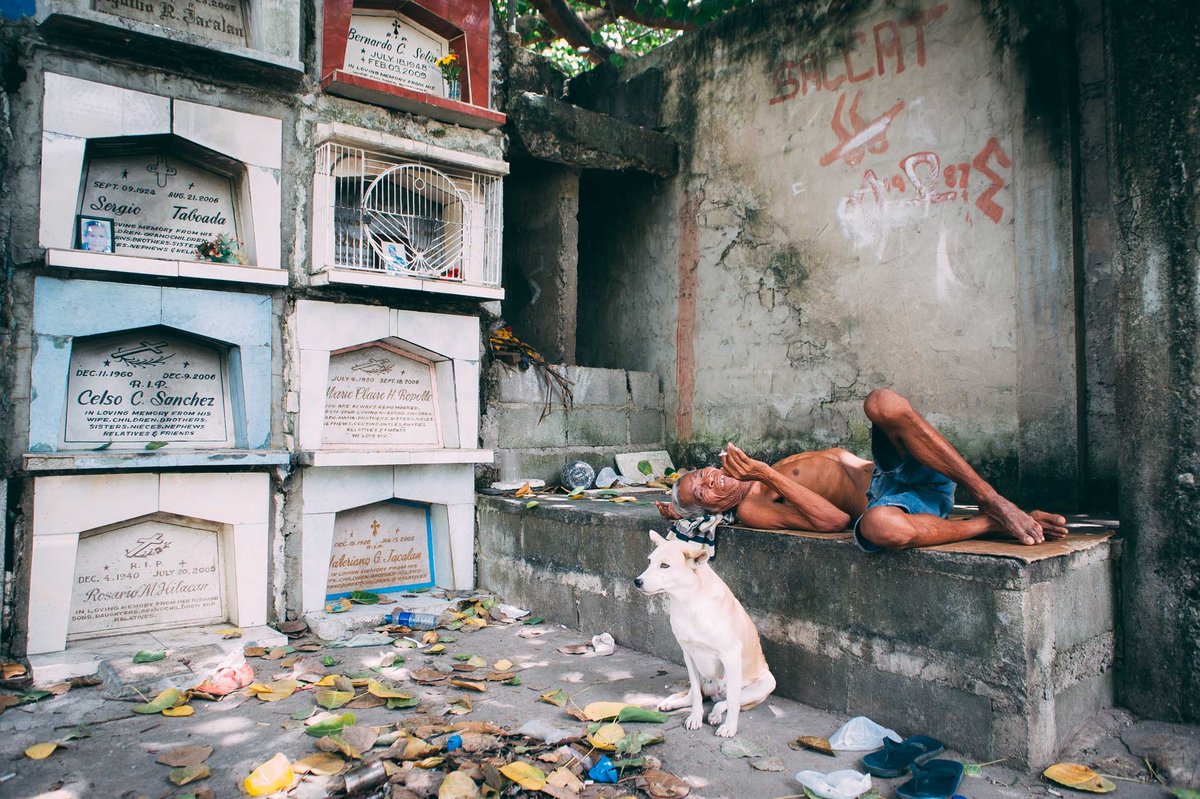
The people here have figured out how to coexist with the dead and how to do so in perfect harmony. They utilise the spaces and surfaces that the tombs and gravestones provide, for anything from a cards table to a kitchen counter to a bed, and in return they maintain these areas.
Some residents work for the cemeteries as caretakers and security guards, others do odd jobs to earn a living. Many were born here and many will die here, effectively becoming permanent residents.
When Typhoon Haiyan hit the Philippines in November 2013, Cebu served as a base for the relief effort, and the world looked on in horror as entire towns were wiped out on smaller islands nearby. But observers marvelled at the inherent resiliency of the Filipinos and their inspirational ability to make the most out of a dire situation.
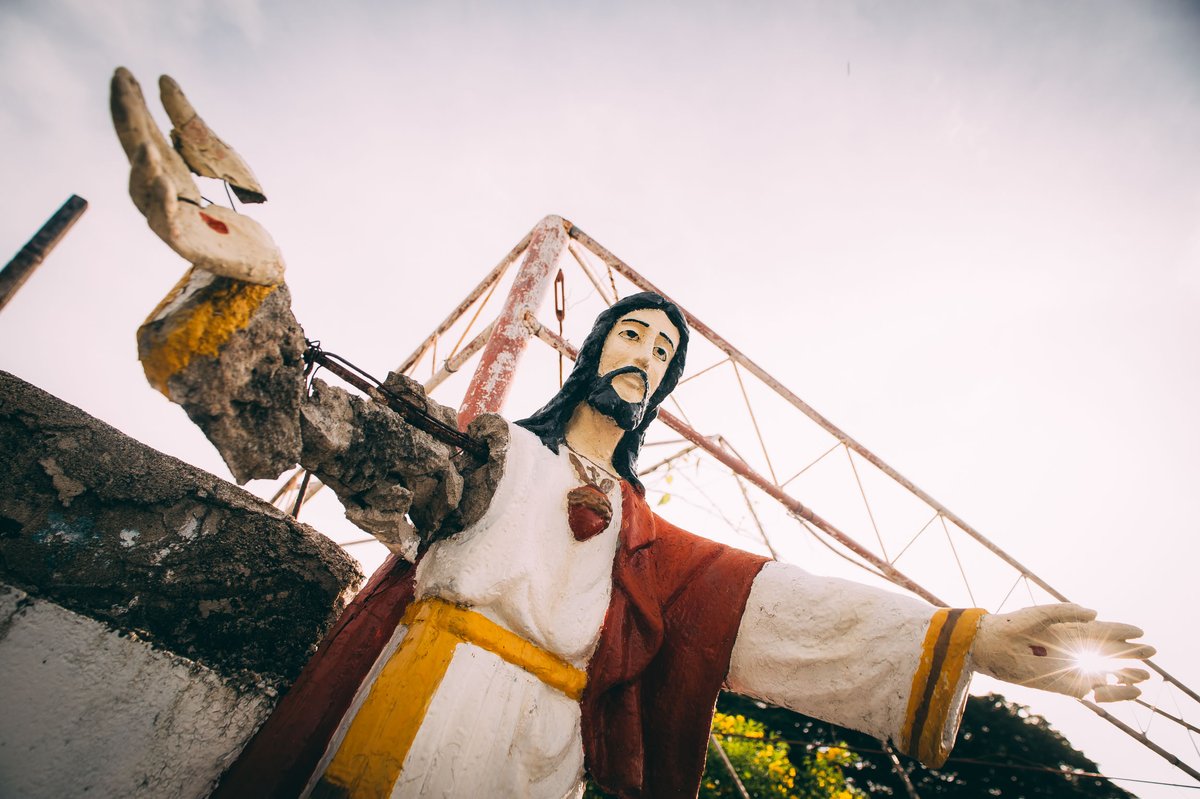
The photos shown here, taken at the Carreta and Calamba cemeteries, two of the largest in the city, reflect this fortitude and show the residents as living embodiments of the uniquely Filipino spirit.