Bright Days
After witnessing improved international relations and a rapidly growing tourism industry following the nuclear agreement Iran reached with other nations in 2015, it was believed that “bright days” lay ahead for the country.
But Iranians around the world now face an uncertain future after being identified as one of 7 nations whose citizens have been temporarily banned entry into the United States.
Families have been left separated and isolated, with many stuck in limbo inside airport terminals awaiting news of what will happen to them next. Iranian nationals living in the U.S. are effectively held captive, unable to leave the country for fear of not being allowed to reenter. The Iranian government has responded, stating that Iran will implement a reciprocal policy until these restrictions against Iranian nationals are lifted. The full extent of the damage this will cause to U.S. - Iran relations remains to be seen, but clearly this decision stands to undo much of the progress that has been achieved in the past few years.
After spending the majority of a recent trip to Iran navigating the chaos of Tehran, we felt the need to get out of the city. Everyone we discussed our plans with insisted that we go south to Isfahan, to take in the beautiful but heavily photographed Persepolis. Or to Shiraz. Or Yazd.
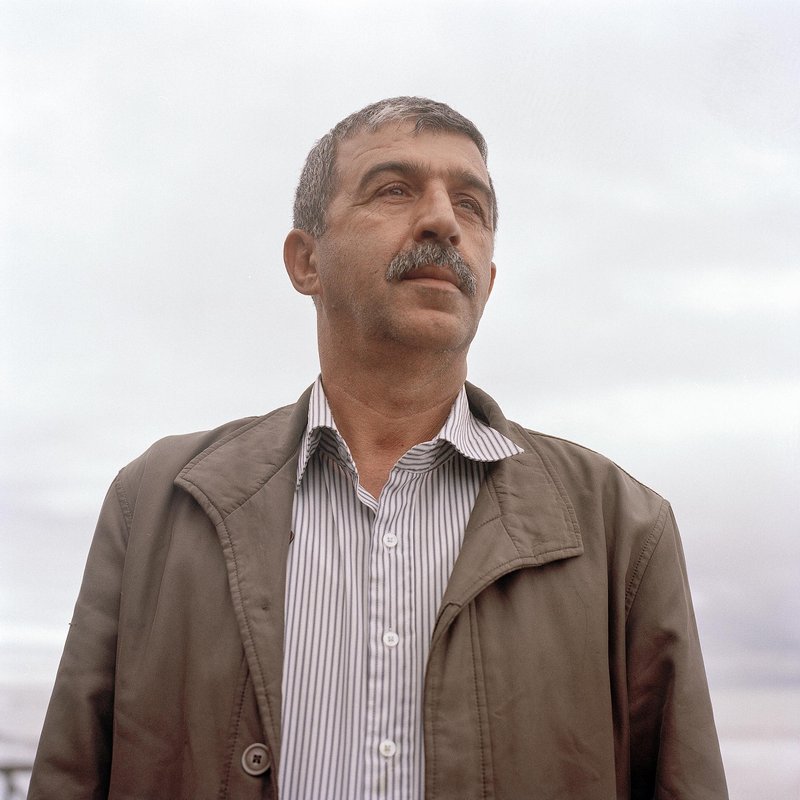
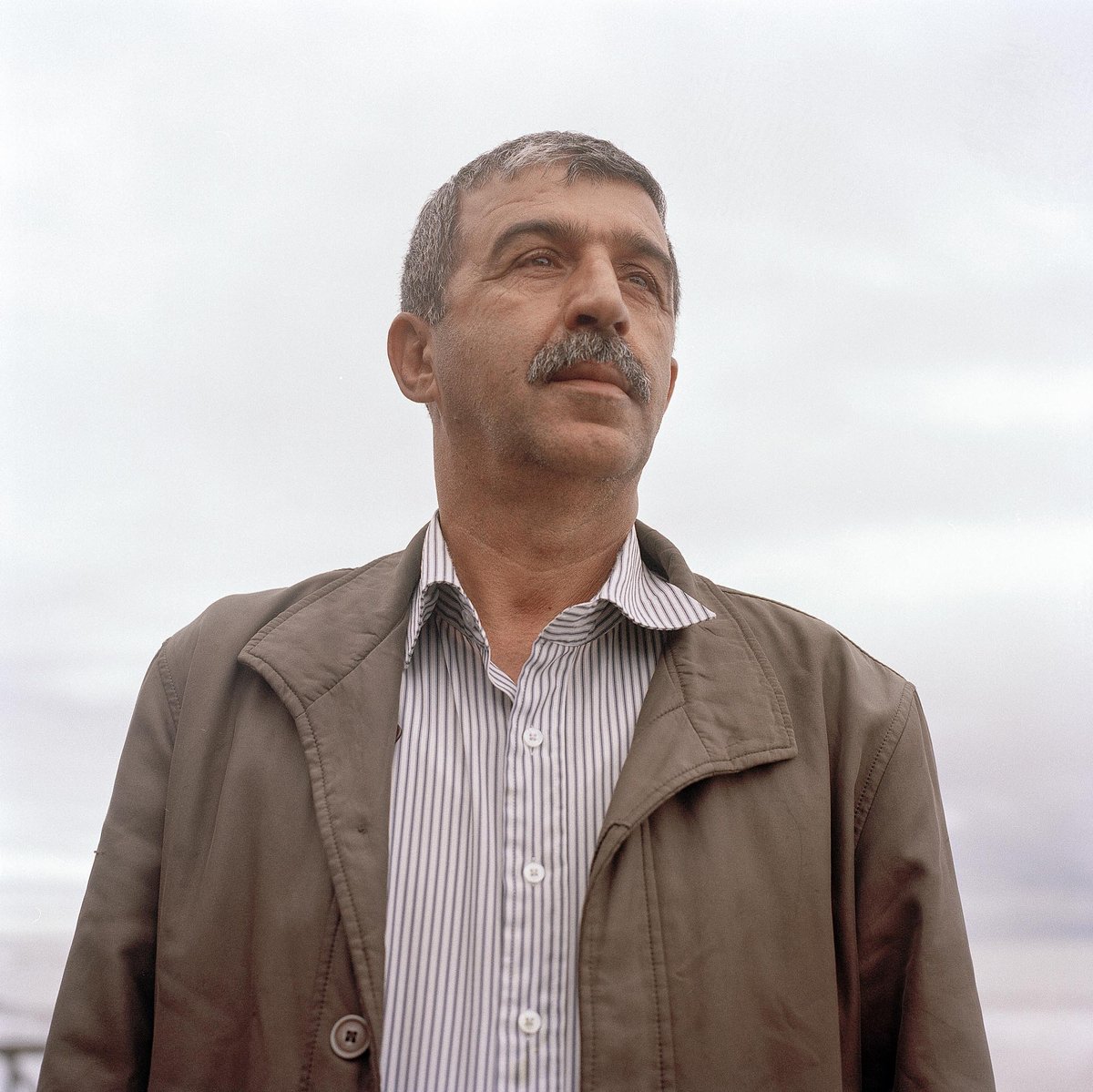
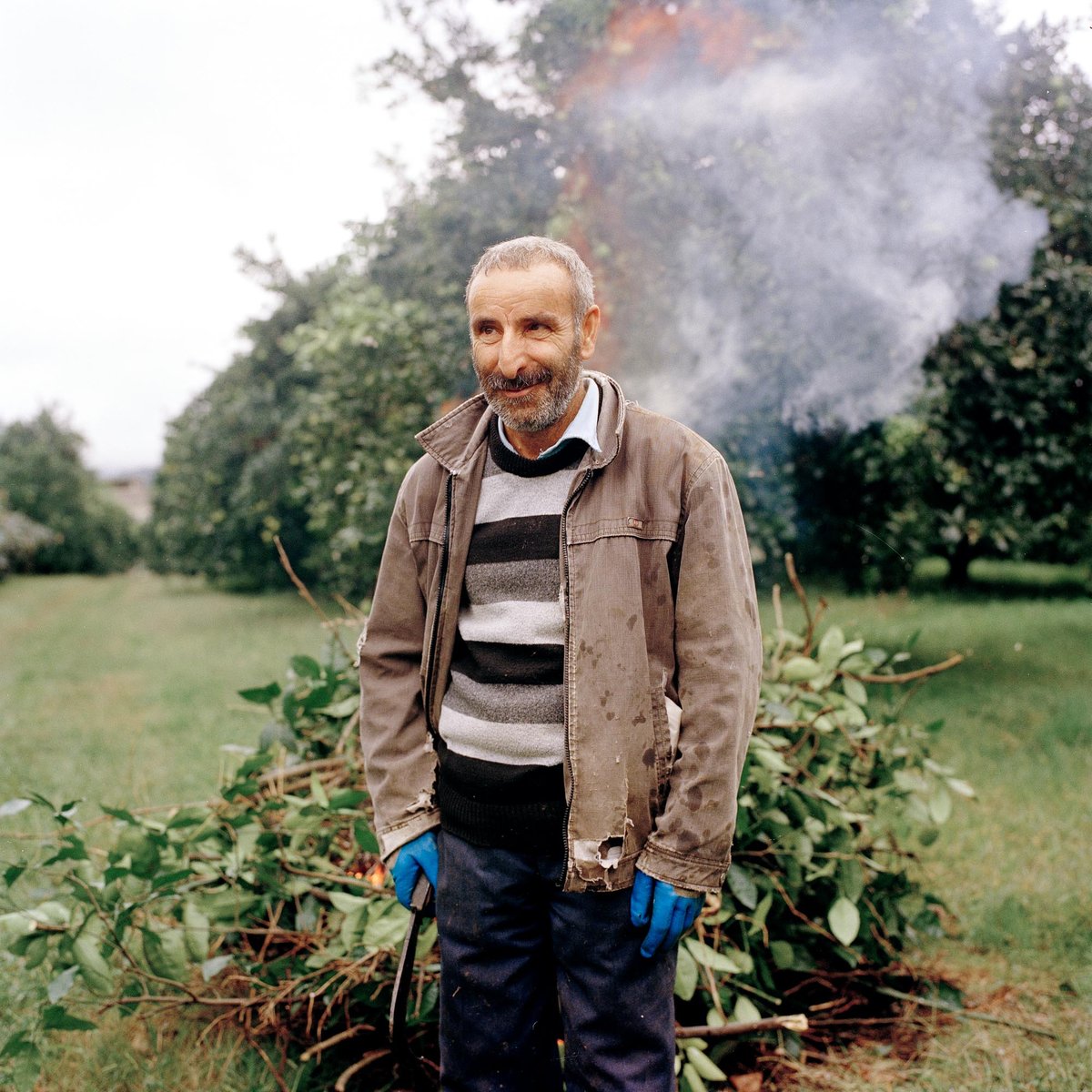
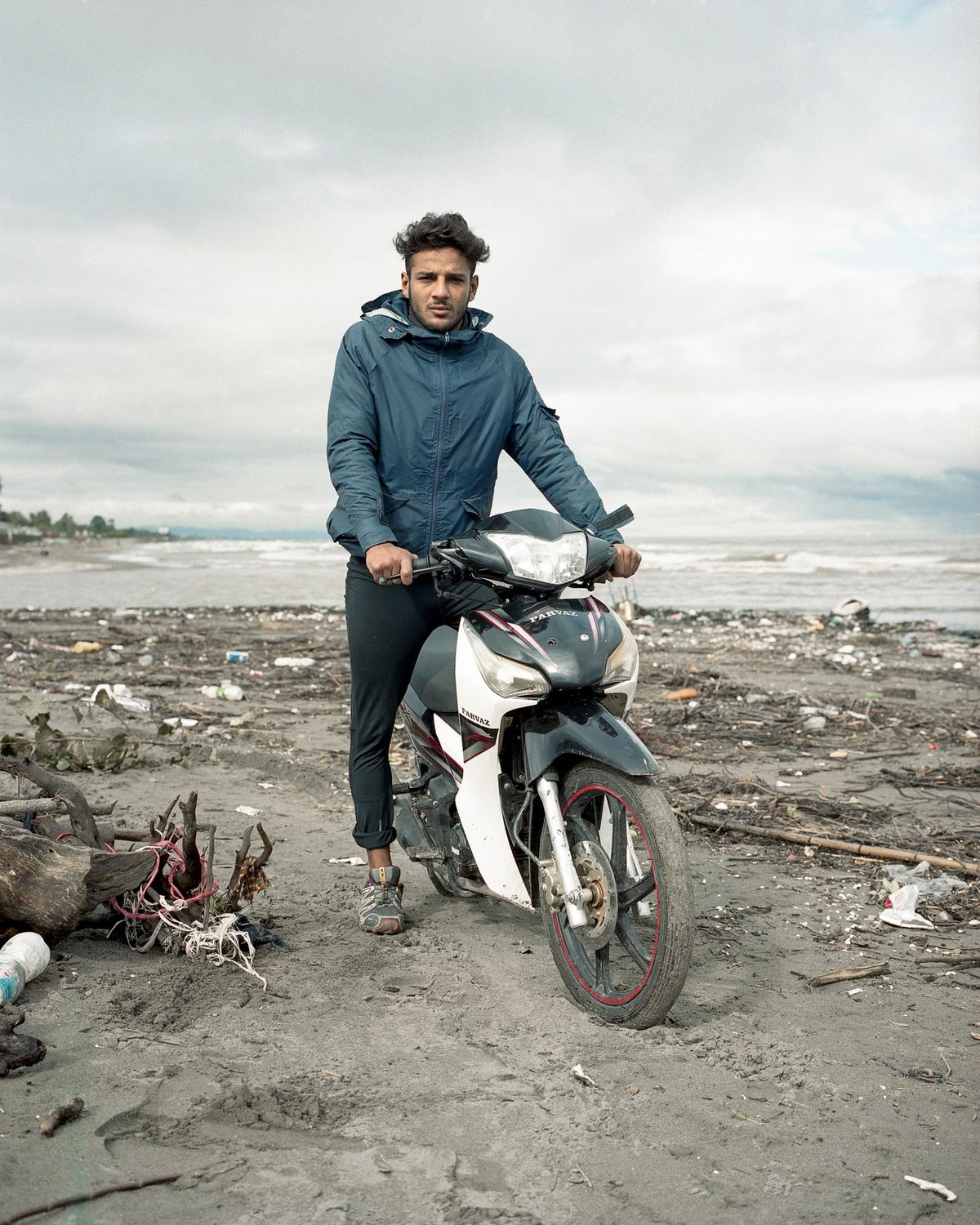
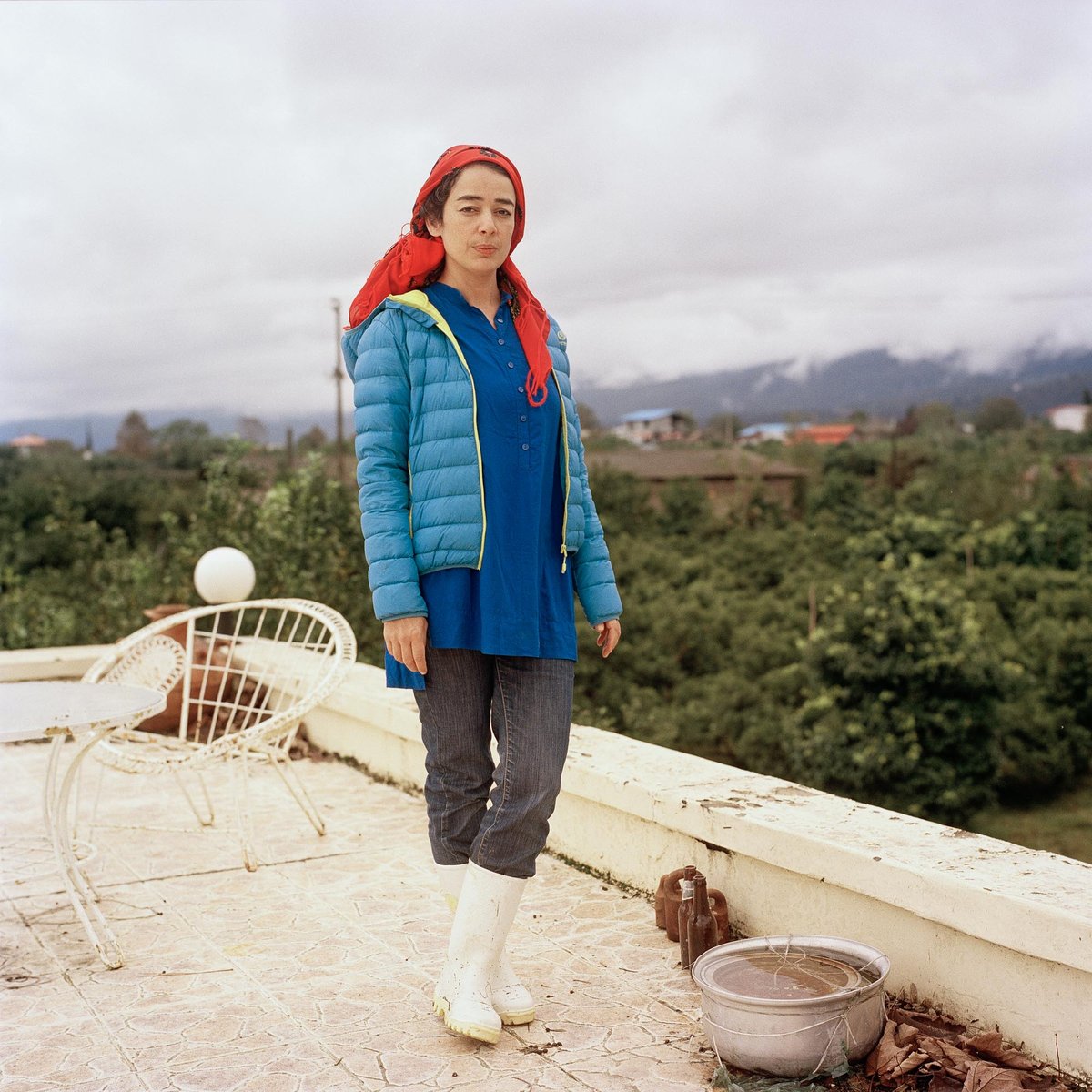
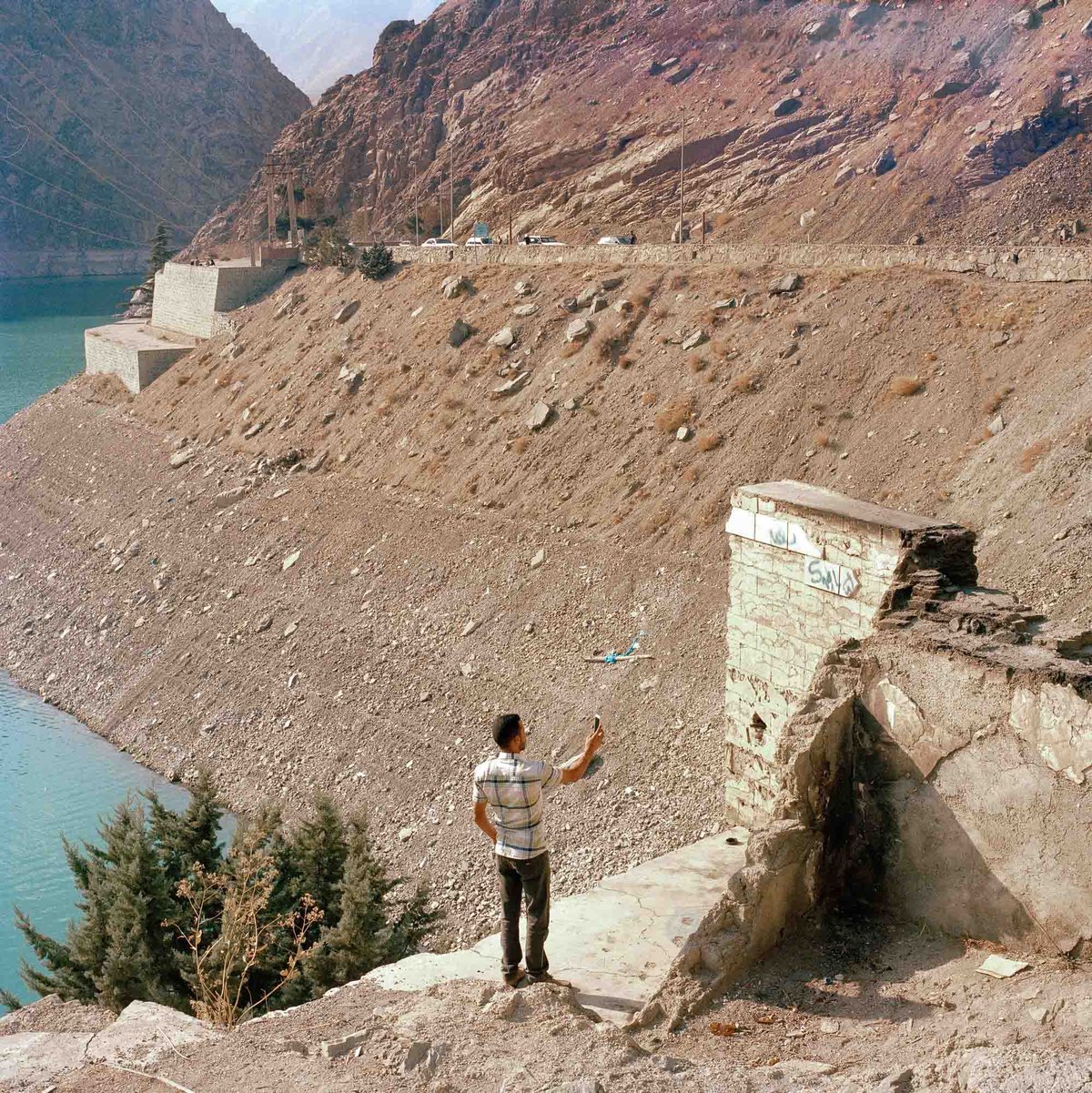
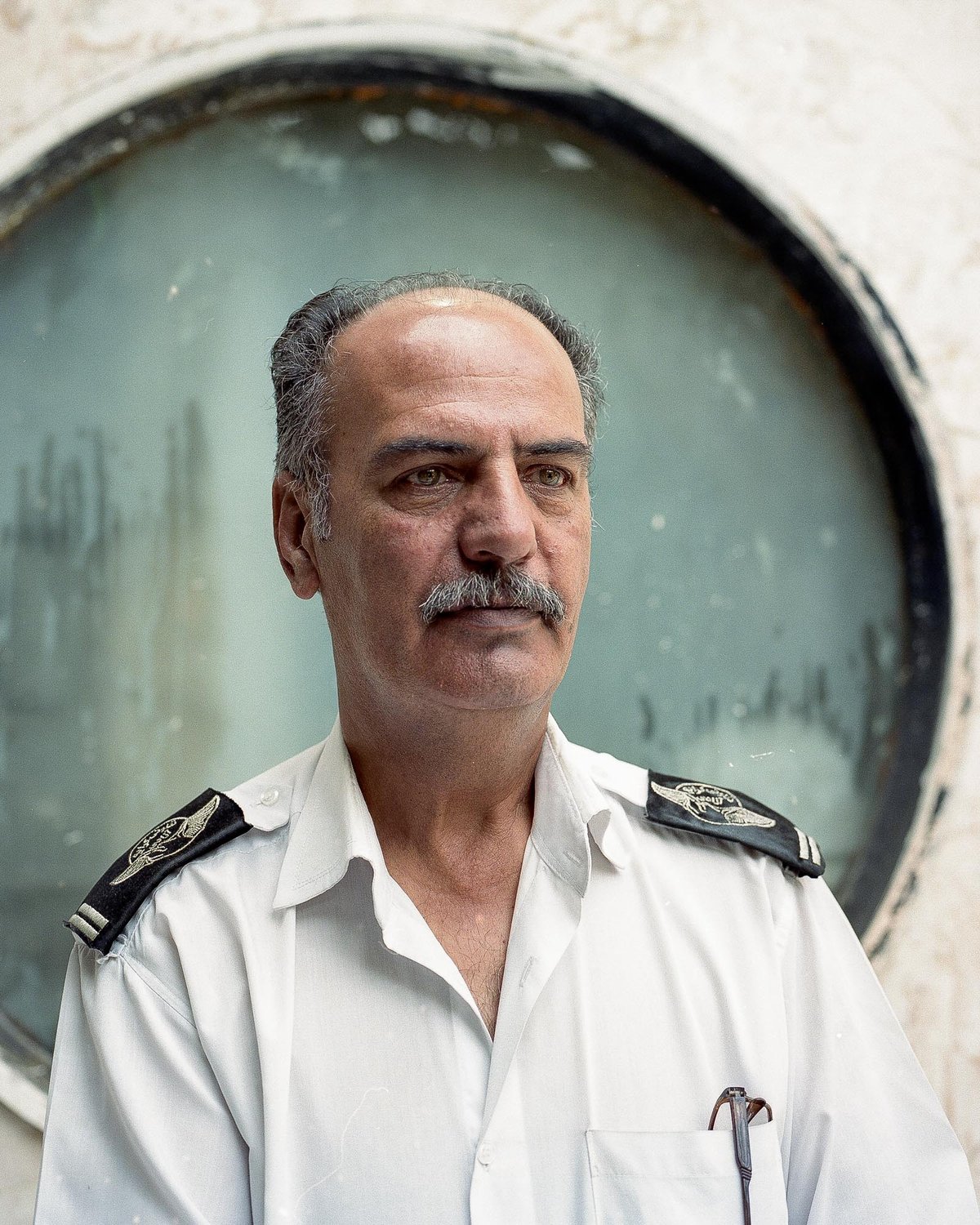
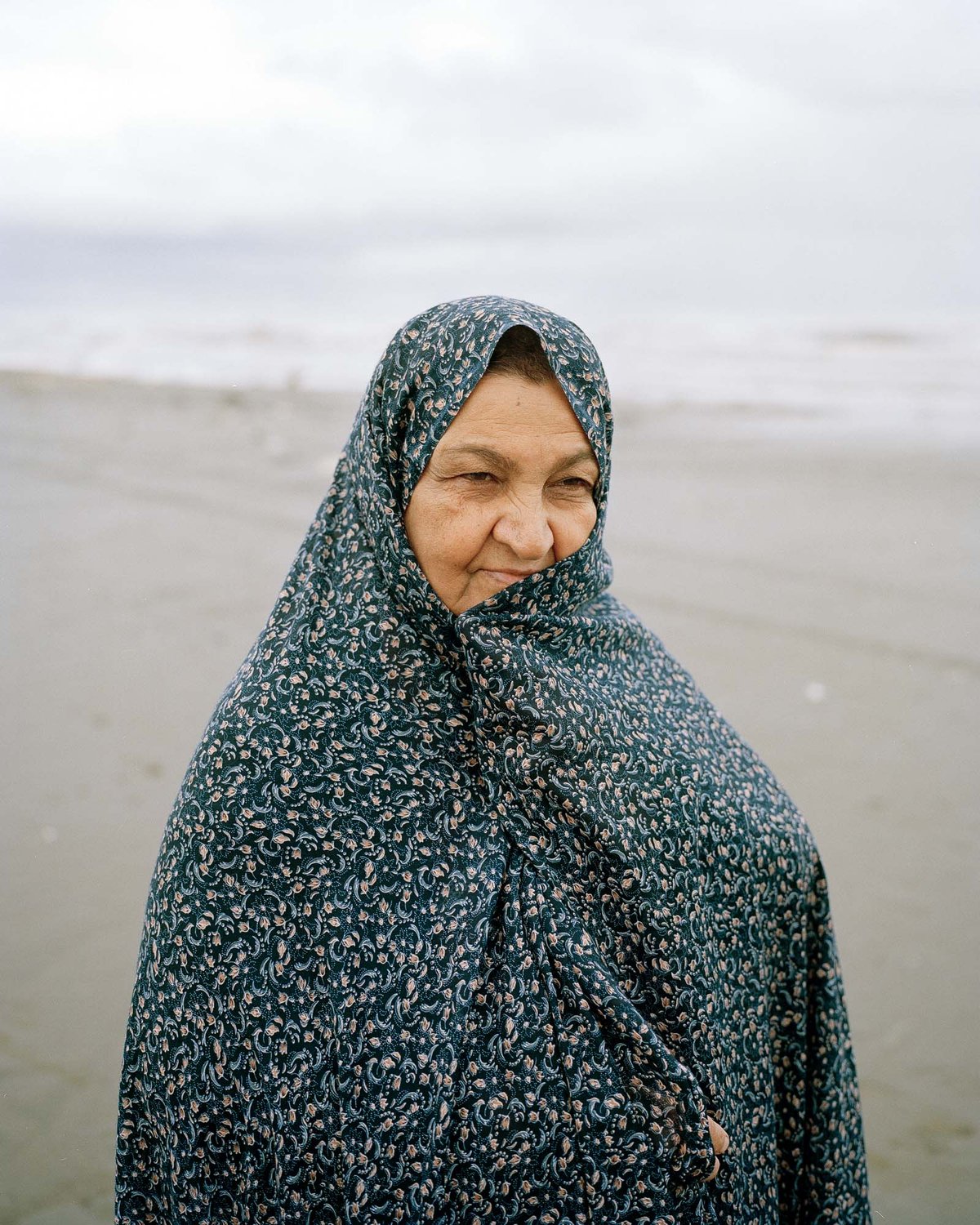
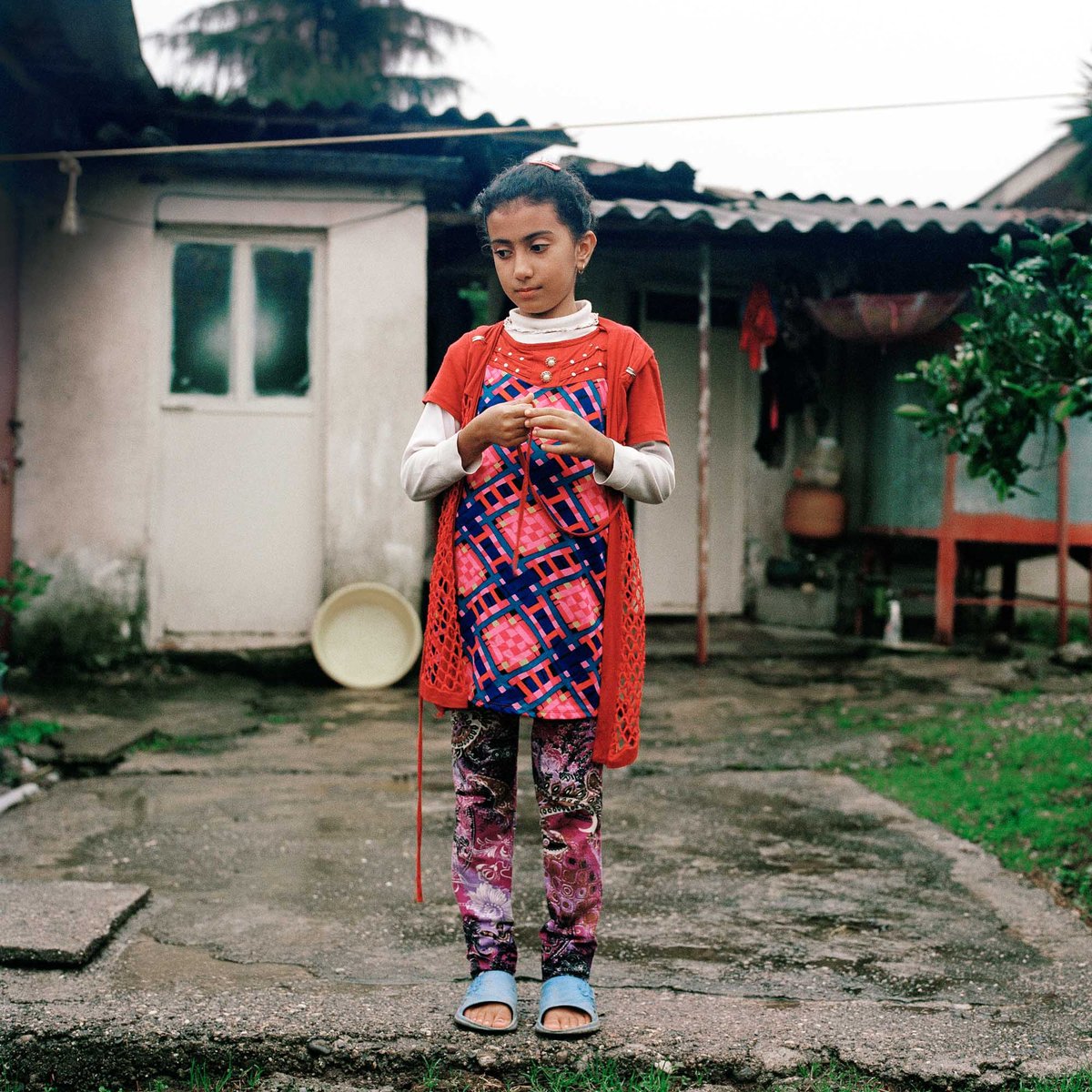
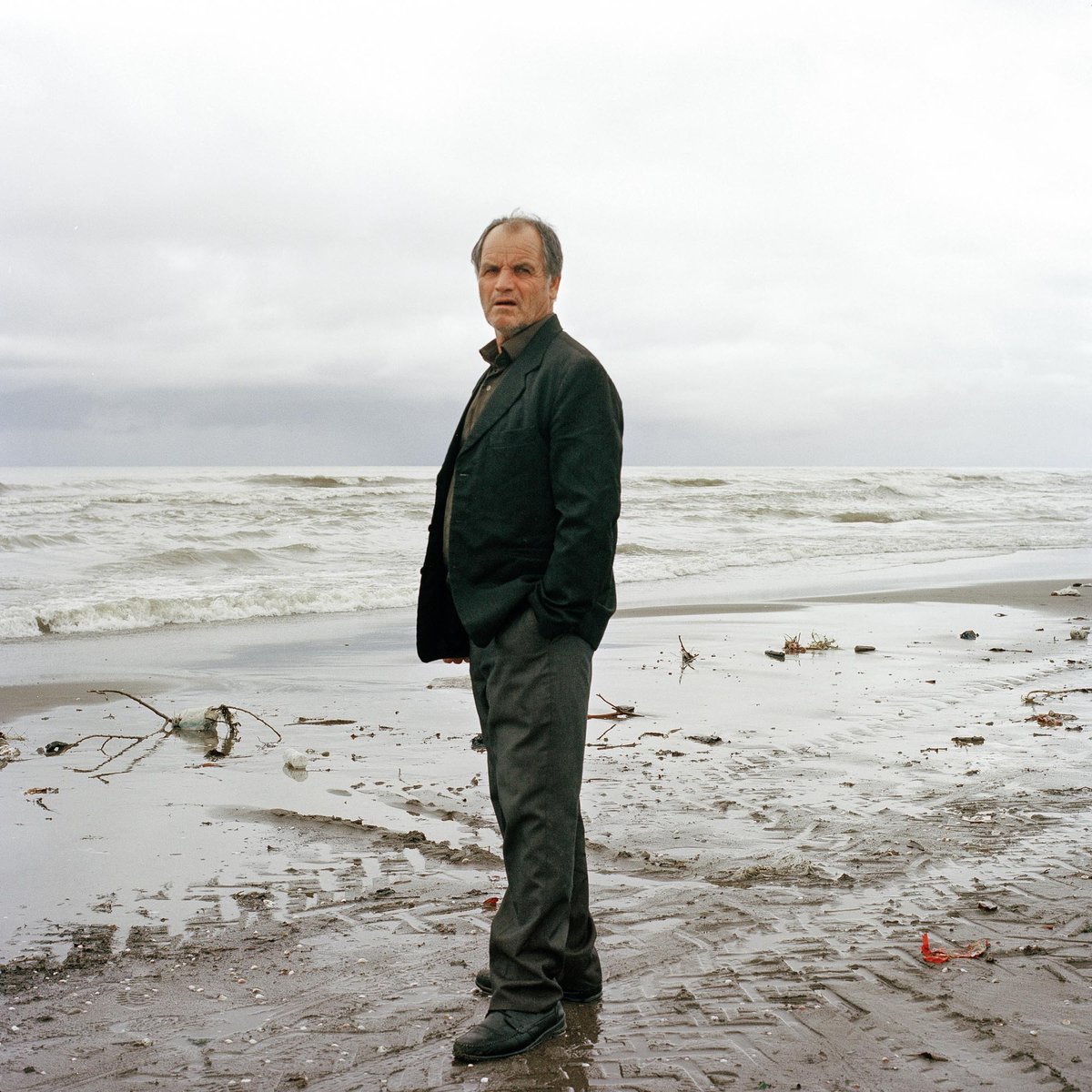
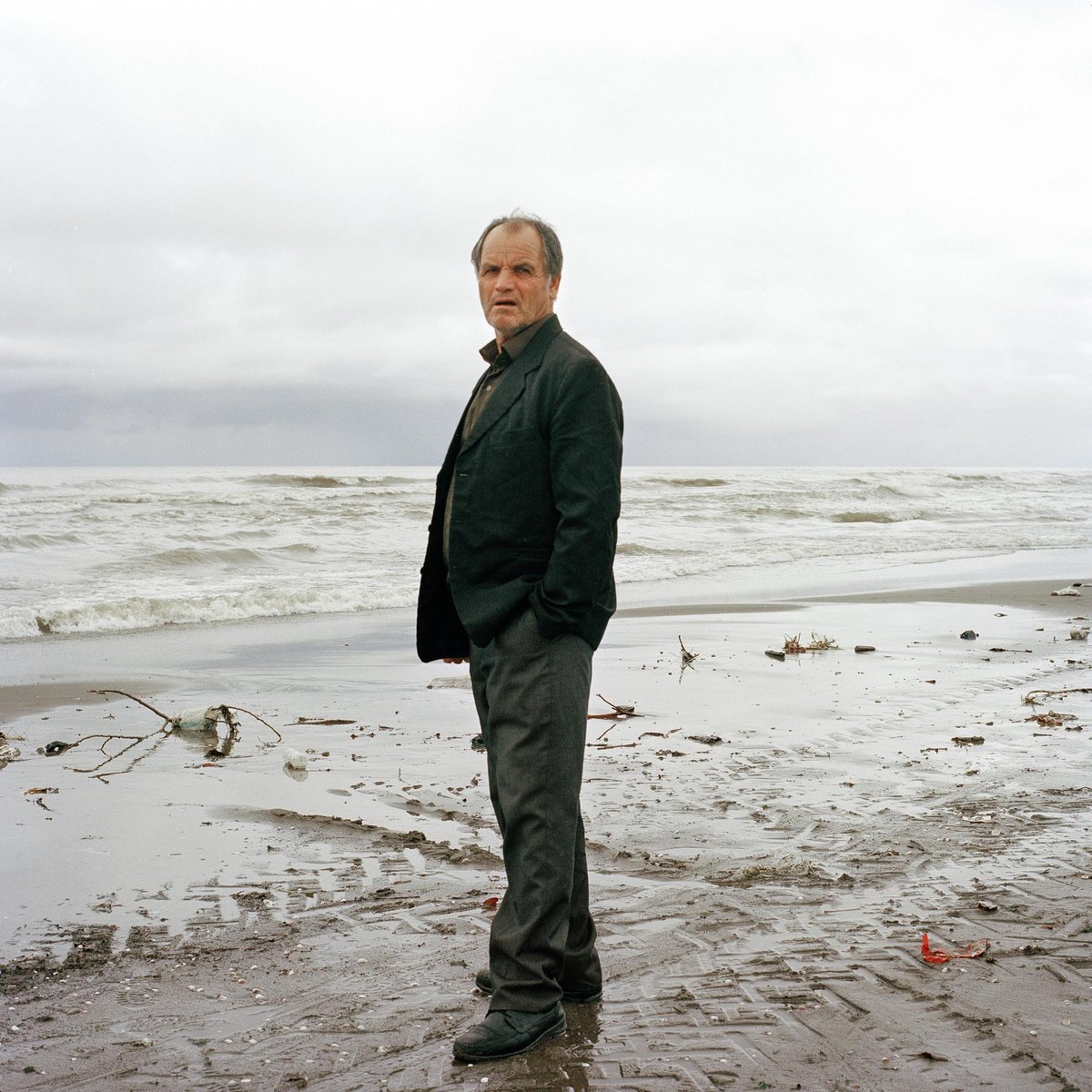
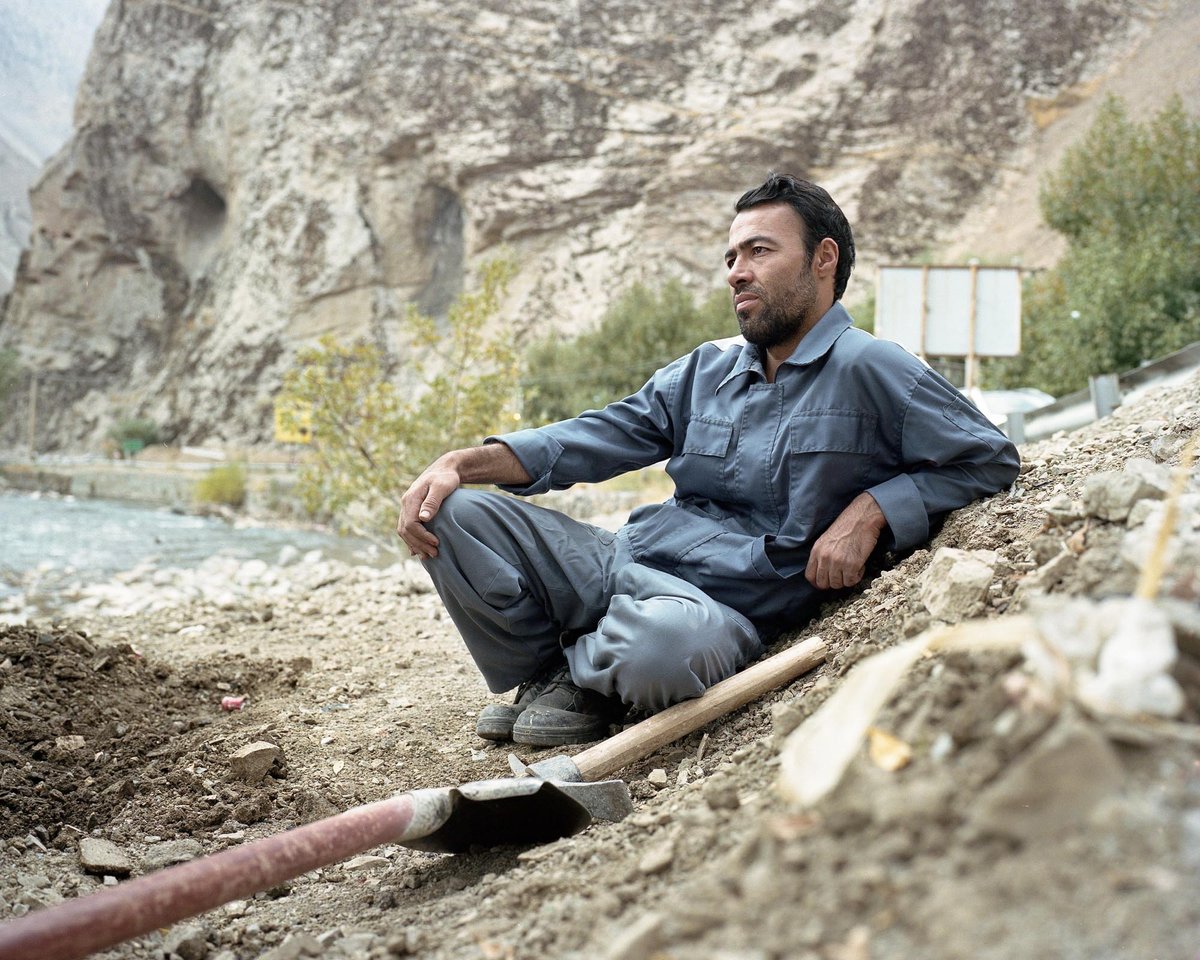
As appealing as these places were, we were far more interested in seeking out an alternative view of the country, and desired to create a portrait of the everyday lives of some of the people who now stand to be impacted by the recent restrictions.
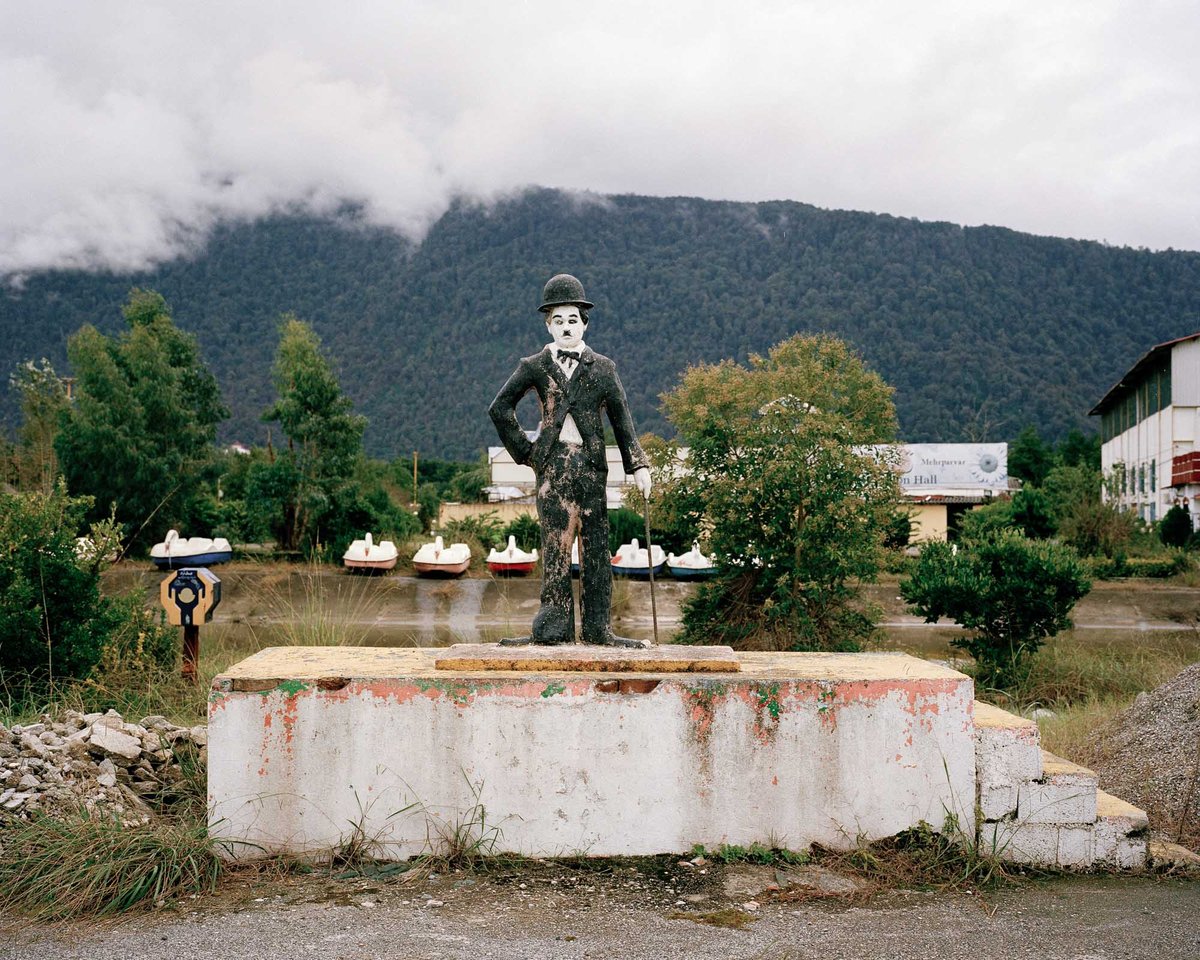
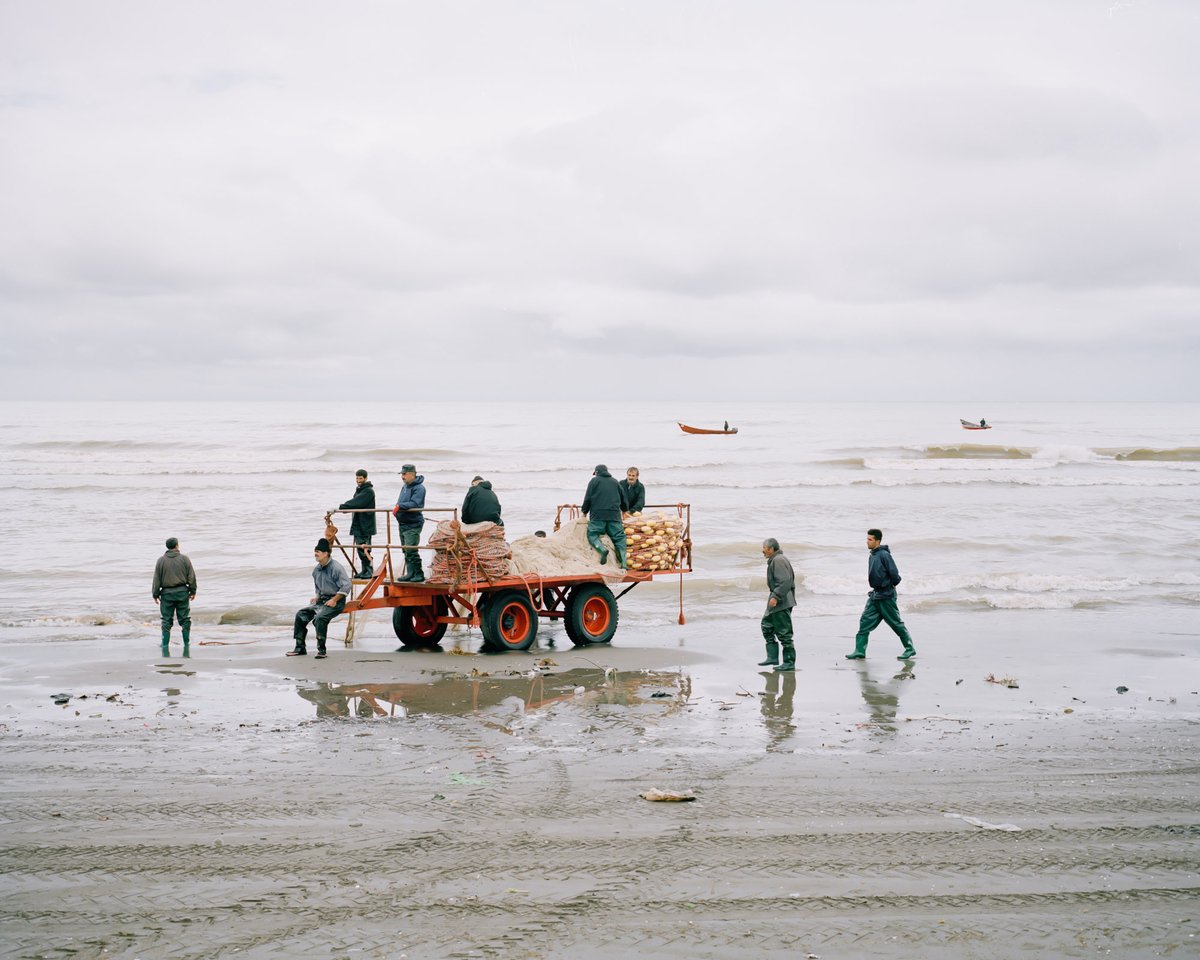
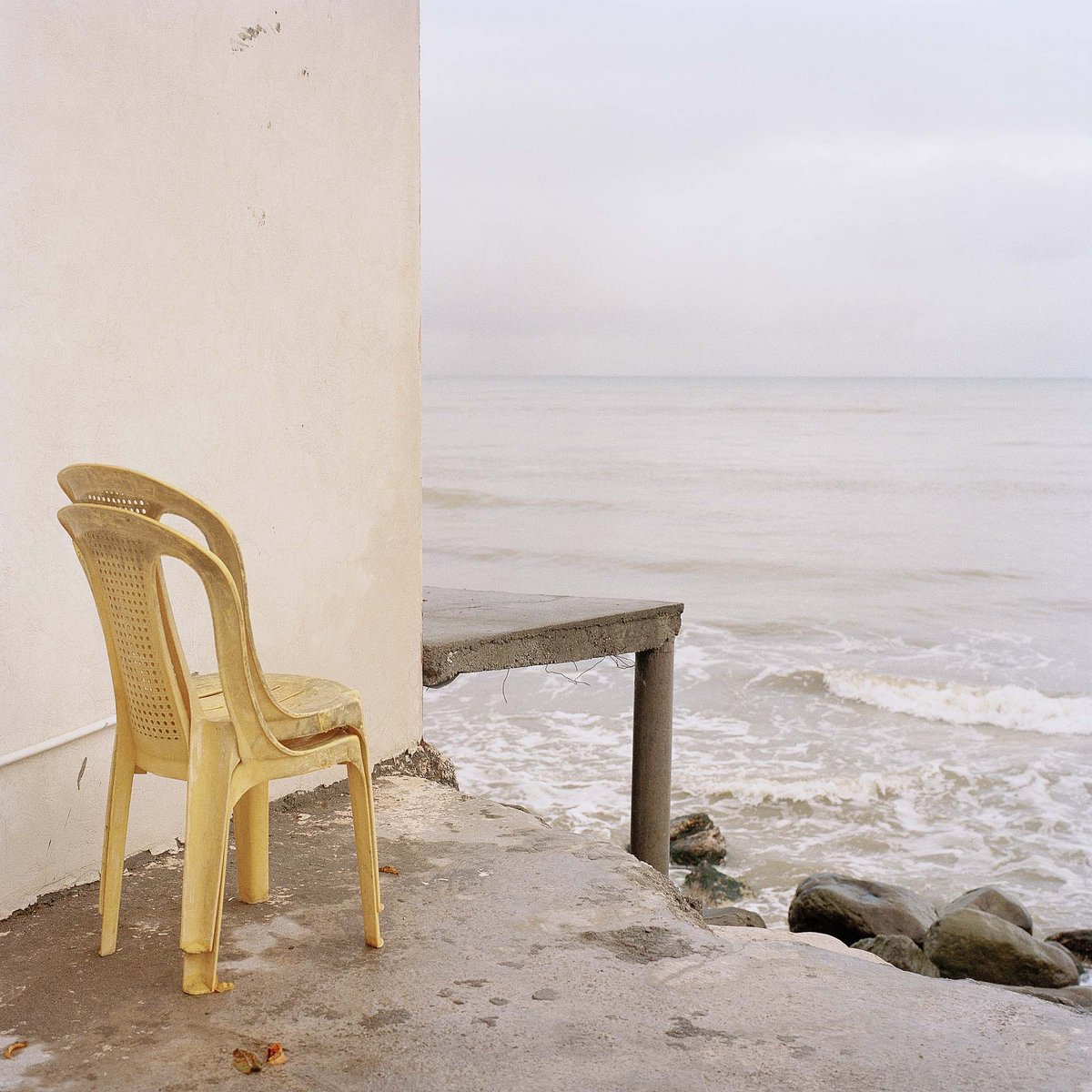
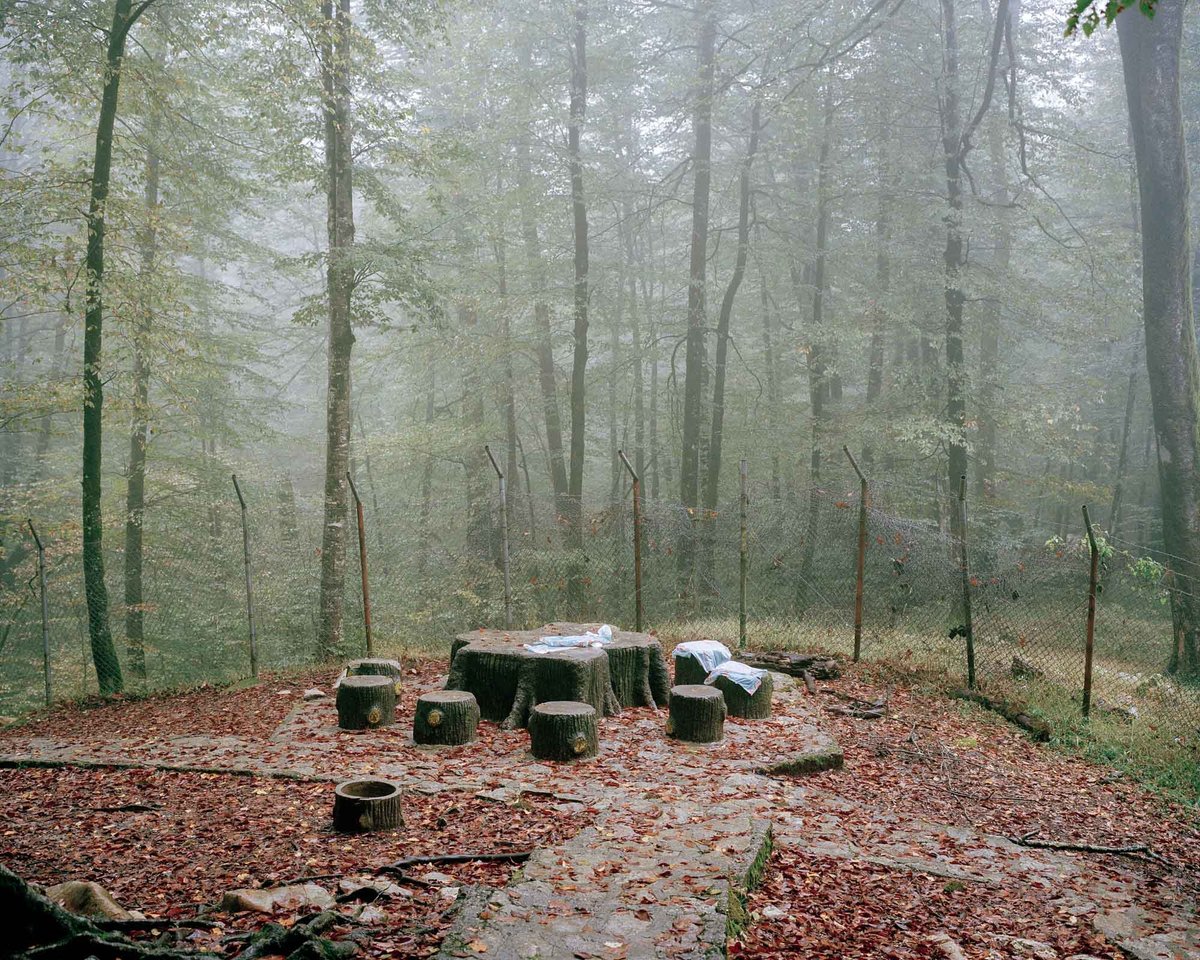
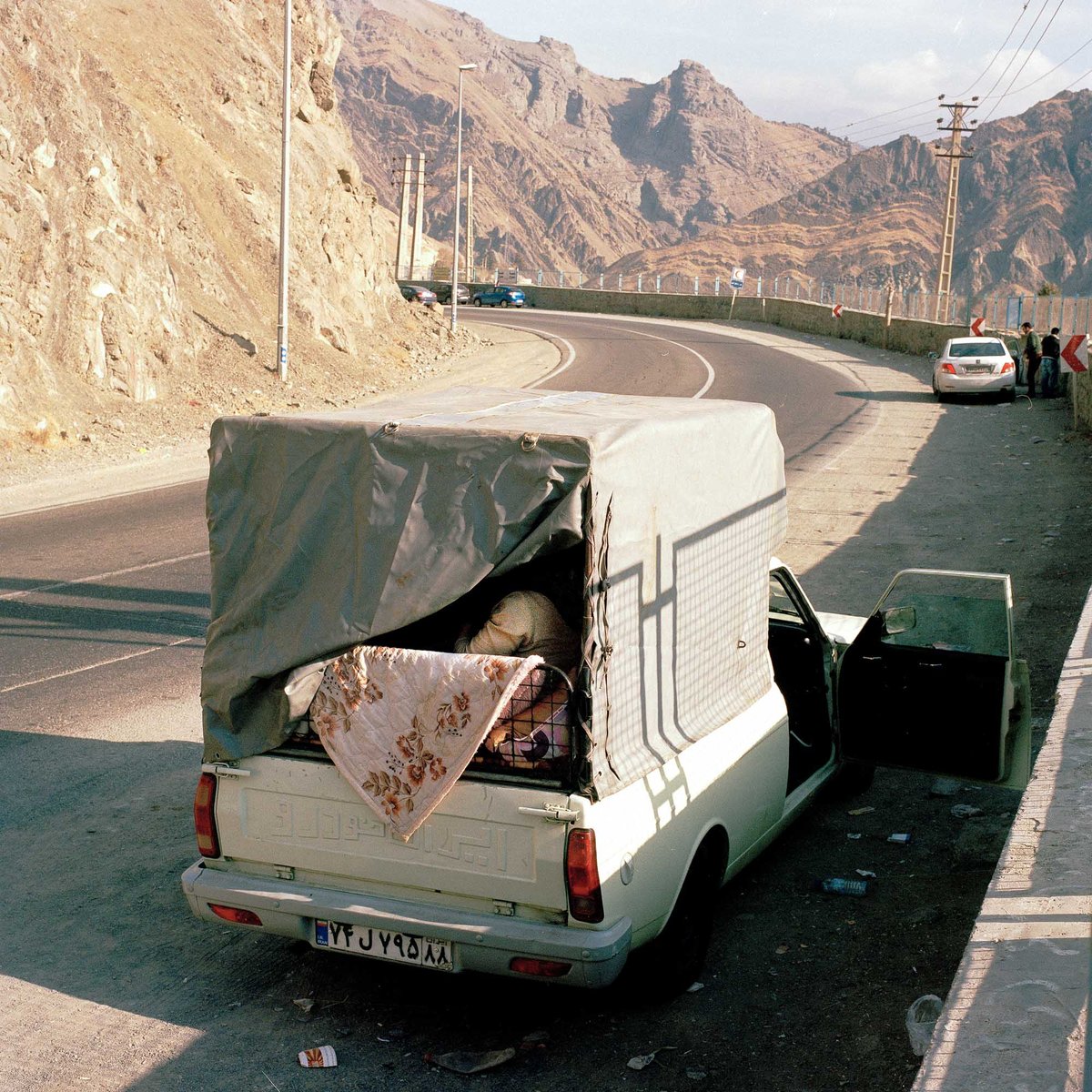
So instead we went north, towards the Caspian Sea and the quiet coastal towns that sit in the shadows of the impressive Alborz Mountain range.
A five hour drive from Tehran through an increasingly lush, green landscape, this is where many residents of the city escape to on public holidays. They go there to unwind, to spend time with friends and family, savouring the tranquility that sometimes seems hard to find in their sprawling home city.
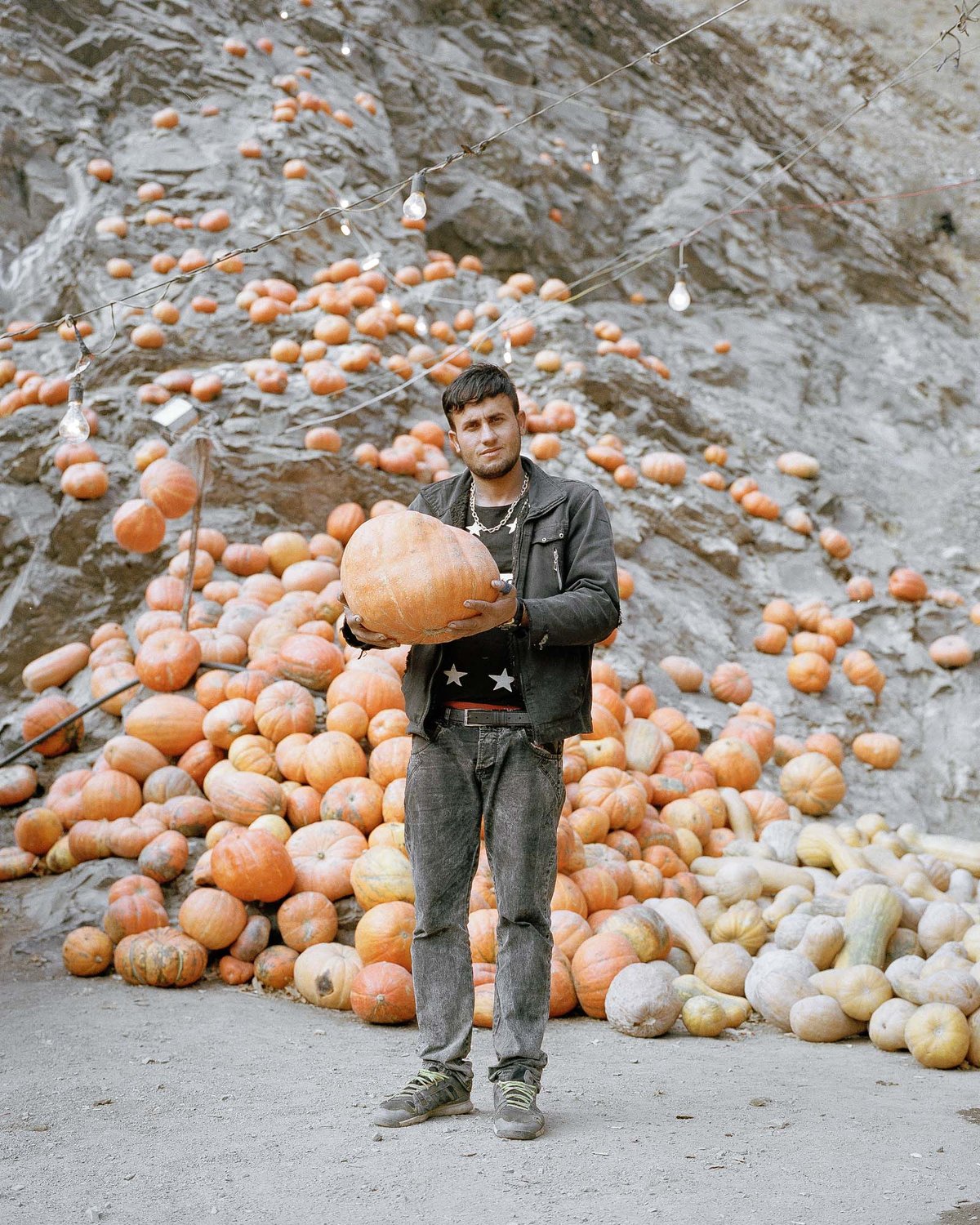
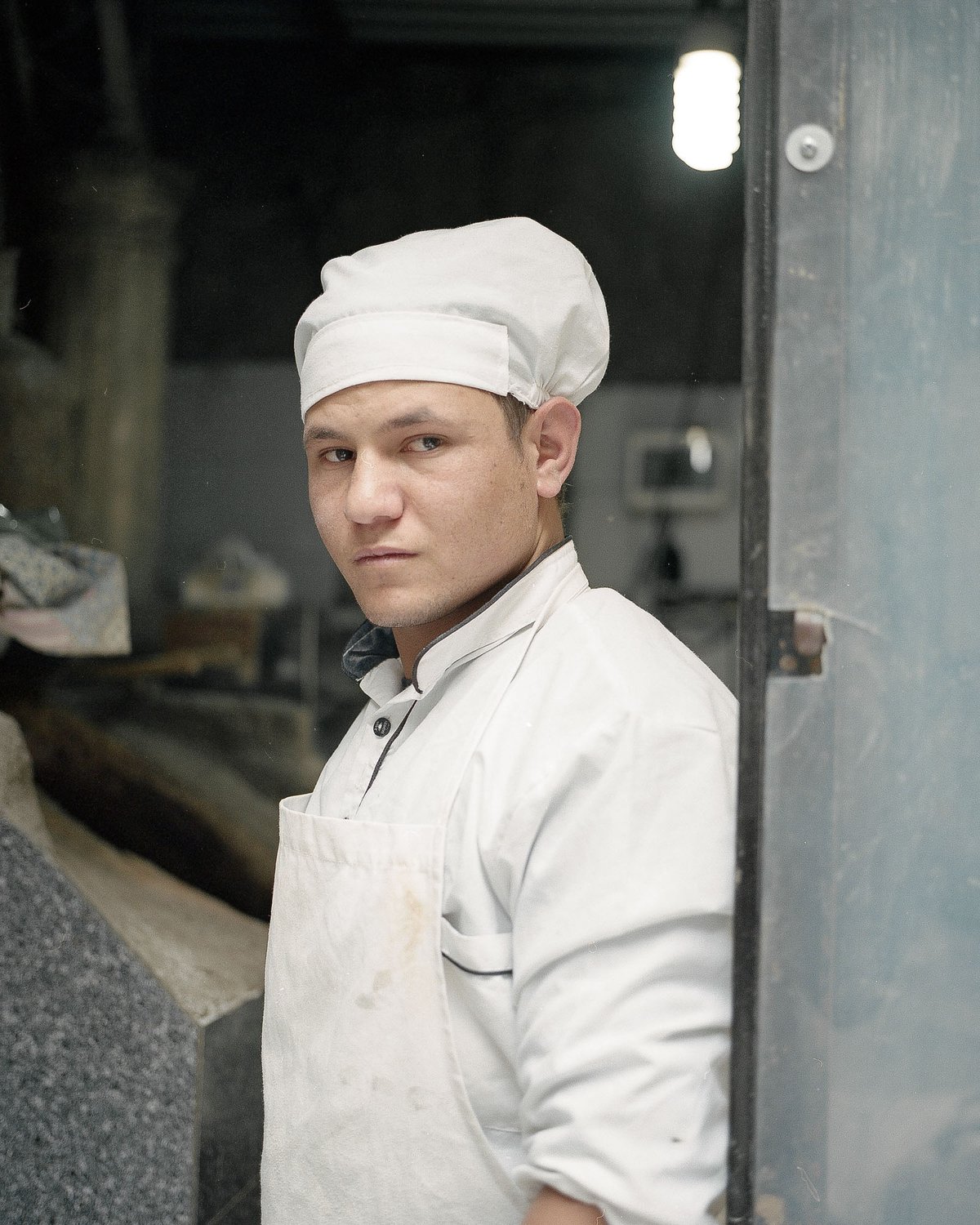
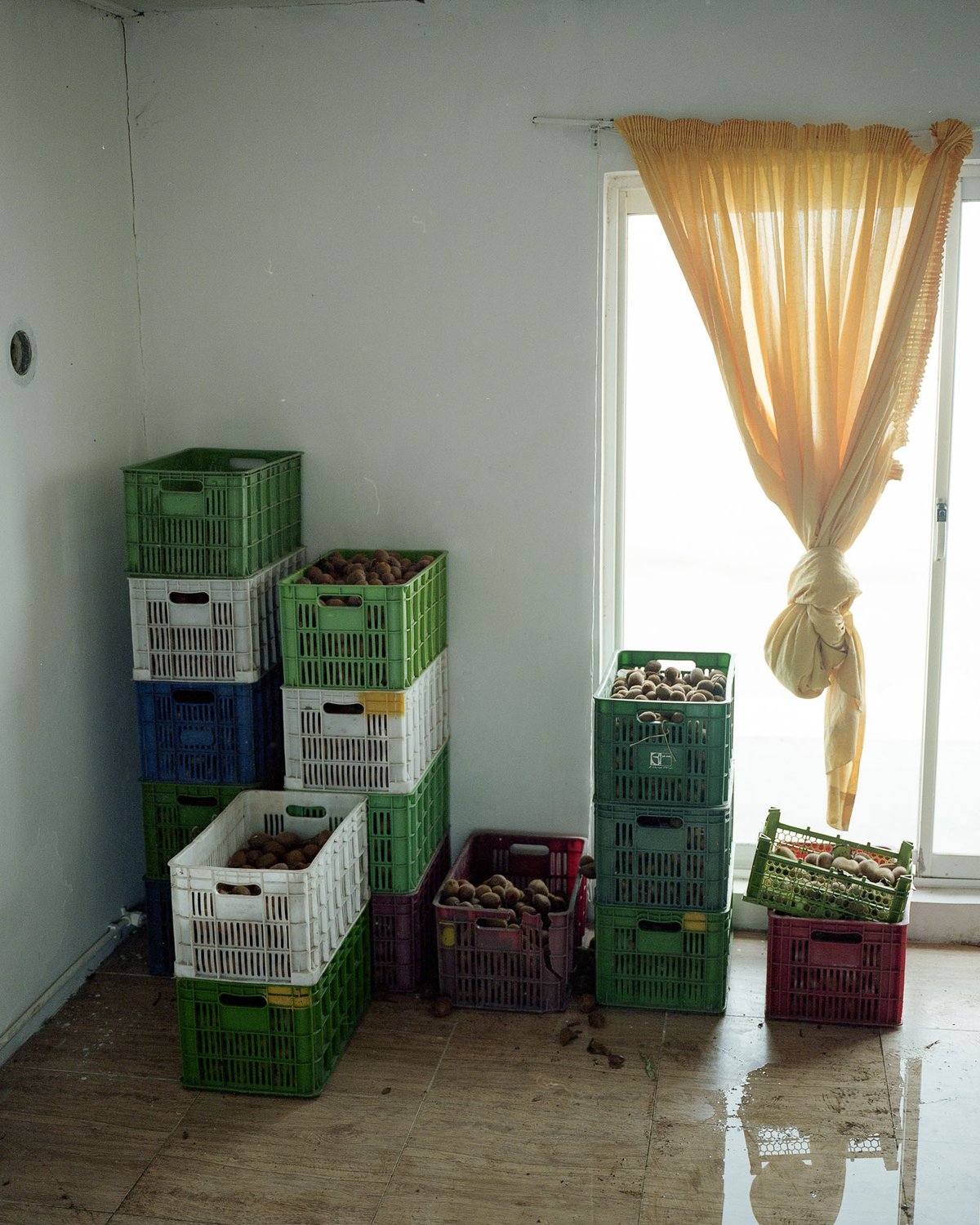
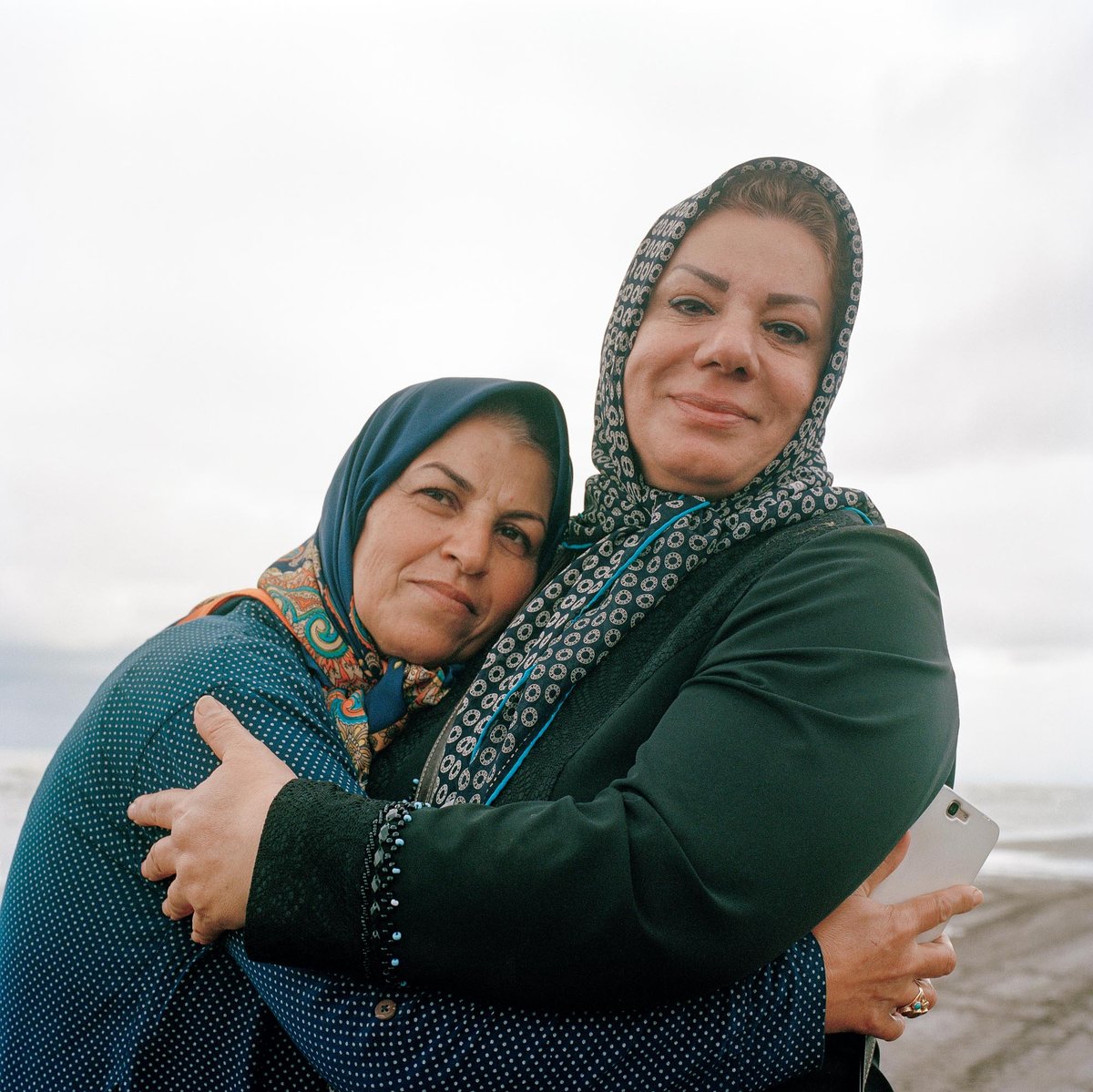
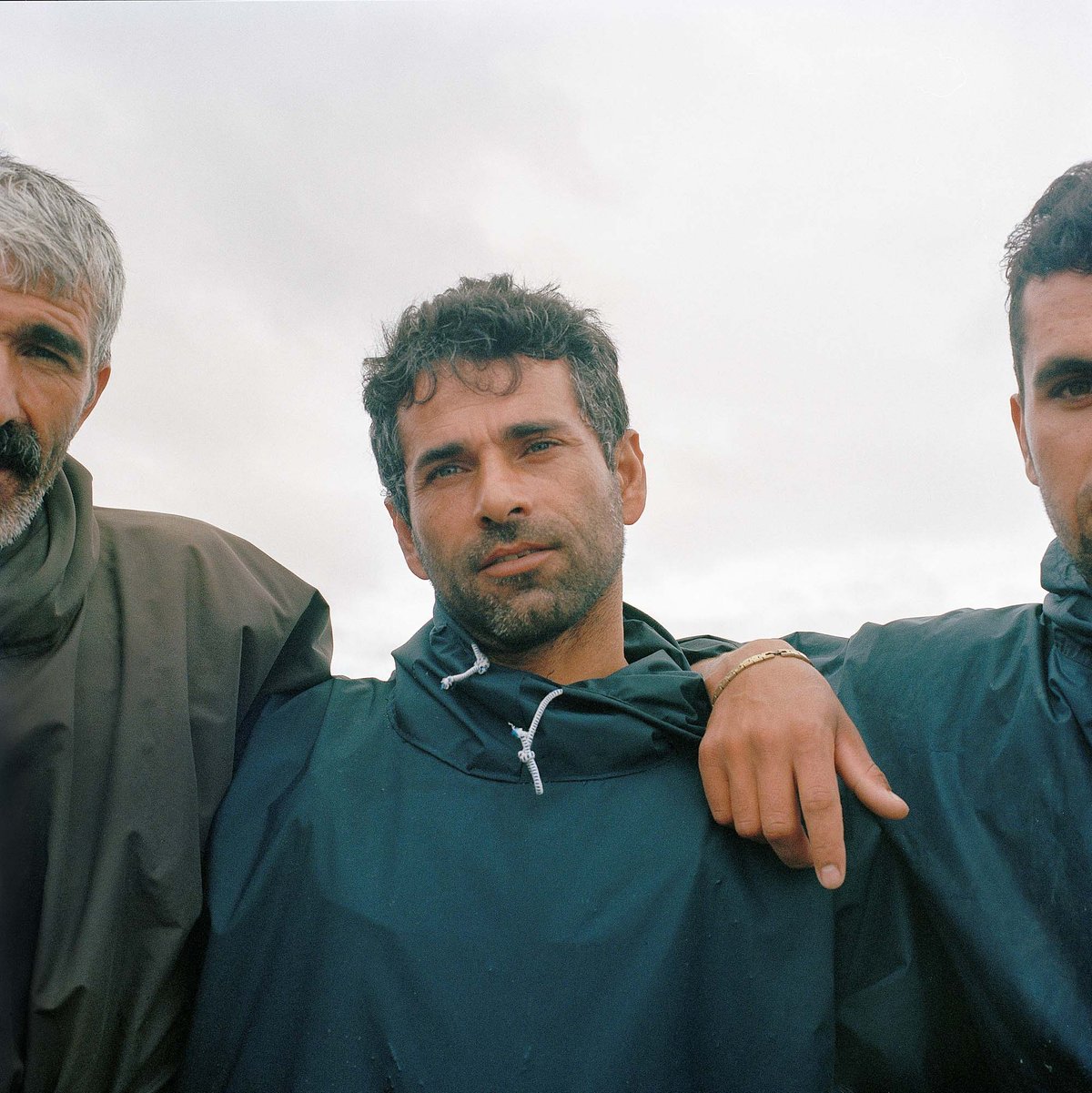
Contrary to the challenges we encountered when photographing in Tehran, the people in the north welcomed our curiosity and patiently posed for portraits. On several occasions we were invited into the subjects’ homes for tea; the famed Iranian hospitality demonstrated without expectation.
We present these photographs in the hope that they will serve as a counter to the heavily skewed image that we so often see of this complex and misunderstood country. But they are also an opportunity to meet some of the people who have been labelled as a potential threat to U.S. national security.
By Maryam Khastoo (6x6) & Jonathan Clifford (6x7)